Champion Colors: How Winning Esports Rosters Are Quietly Designing Your Next Outfit

There's a moment that happens every time a major esports championship wraps up. The confetti drops, the trophy gets lifted, and somewhere in the crowd — or more likely, somewhere on a couch watching a stream — a casual player looks at those winning jerseys and thinks: I want that.
It used to stop there. A quick Google search, maybe a merch page visit, and then reality: official team gear is expensive, often sold out, and sometimes just not built for everyday wear. But something has shifted in the last couple of years. The visual language of championship esports squads — their color palettes, their logo placements, their overall aesthetic DNA — is bleeding into mainstream gaming fashion in ways that go way beyond official merch drops.
We're talking about the podium effect. And it's reshaping how a whole generation of casual players dresses.
What the Podium Effect Actually Looks Like
Spend any time on gaming TikTok or browse the outfit posts in major gaming subreddits and you'll notice a pattern. Players aren't just repping their favorite team's official gear. They're interpreting it. A casual player might rock a navy and gold colorway that clearly nods to a team like Cloud9 or NaVi without wearing a single piece of licensed clothing. Someone else layers a red and black fit that reads 100 Thieves without the logo ever appearing.
This is fashion trickle-down in its most organic form. Championship teams — especially those that win repeatedly or have culturally dominant moments — establish a visual identity so strong that it escapes the jersey and lives in the general aesthetic consciousness of the gaming community.
"When a team wins at the highest level, their look becomes aspirational," says Marcus Webb, a streetwear designer based in Atlanta who has consulted for several gaming organizations on their lifestyle apparel lines. "It's the same thing that happens in traditional sports. People wore Bulls red and black in the '90s because Jordan was winning, not because they were die-hard Chicago fans. Gaming is finally hitting that same cultural moment."
The Teams Setting the Aesthetic Agenda
Not every championship squad carries the same fashion weight. Some organizations have been more deliberate about building a visual identity that extends beyond competitive play, and those are the ones driving the biggest ripple effects in casual wear.
100 Thieves is probably the most obvious example in the North American scene. Their red, black, and gold palette — combined with a streetwear-first approach to merchandise — has made them less of a traditional esports org and more of a lifestyle brand that also happens to field competitive rosters. Their drops sell out like Supreme releases. Their colorway shows up in gaming setups, custom PC builds, and casual fits across the country.
Team Liquid has a similar phenomenon happening in blue. Their steel blue and white aesthetic, reinforced by consistent championship runs across multiple titles, has given that specific shade of blue a kind of competitive legitimacy in gaming culture. Wear it right and people read it as serious about the game.
Internationally, Fnatic orange has become one of the most recognizable colors in all of competitive gaming. You see that specific aggressive orange referenced in setups, peripherals, and fits by players who have never watched a single Fnatic match. The color has just become synonymous with a certain kind of competitive energy.
Does Dressing Like a Champion Actually Do Anything?
Here's where it gets genuinely interesting. Beyond the style conversation, there's a real question about whether dressing in your favorite pro roster's aesthetic has any psychological impact on your actual gameplay.
Sports psychology has documented this phenomenon for decades in traditional athletics. It's sometimes called "enclothed cognition" — the idea that what you wear influences how you think and perform. Studies have shown that wearing a doctor's coat makes people more focused. Athletes who wear their team's colors report feeling more connected to a collective identity and more confident in competition.
So does rocking a 100 Thieves colorway in your ranked session actually help your performance? The honest answer is: probably a little, if you believe it does.
"The mechanism is real even if the specific application is new," explains Dr. Priya Nair, a sports psychologist who has worked with collegiate esports programs. "If a player associates a particular look with elite performance — because they've watched those players win at the highest level while wearing it — then adopting that aesthetic can genuinely trigger a mindset shift. It's a ritual. It signals to your brain that it's time to perform."
The players who are most deliberate about this aren't necessarily superstitious. They're building a mental routine, and the aesthetic is part of it.
The Design Community Is Paying Attention
Fashion designers who operate at the intersection of gaming and streetwear have been watching this trend accelerate and they're starting to design for it explicitly.
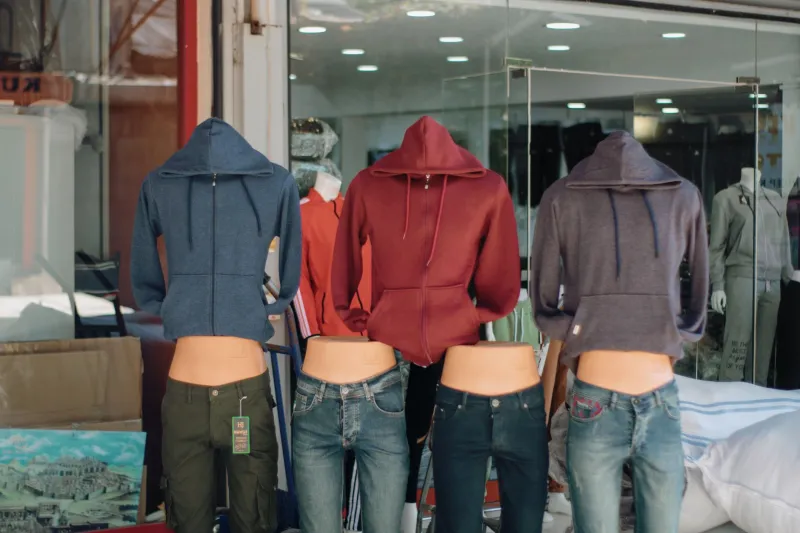
Several independent brands have launched capsule collections built around colorways that clearly reference competitive gaming's biggest visual identities without touching any intellectual property. Think of it as the gaming equivalent of "inspired by" fashion — technically distinct, culturally obvious.
"I designed an entire collection around what I called 'tournament palettes,'" says Jess Park, a Los Angeles-based independent designer who sells through her own site and at gaming events. "Navy and gold. Red and black. Electric blue and white. These are colors that have earned meaning in competitive gaming. When someone wears them, there's already a shared language there. You don't have to explain the reference."
The commercial opportunity here isn't lost on larger brands either. Several sportswear giants have been quietly expanding their presence in esports-adjacent fashion, and the smart ones are studying which team aesthetics have the most cultural penetration before deciding where to put their marketing dollars.
Style Trickle-Down Has Always Started at the Top
None of this is entirely new, of course. Fashion has always flowed from the elite downward. What NBA players wore in the tunnel eventually showed up in high school hallways. What Tour de France cyclists wore influenced recreational bike culture. The mechanism is ancient.
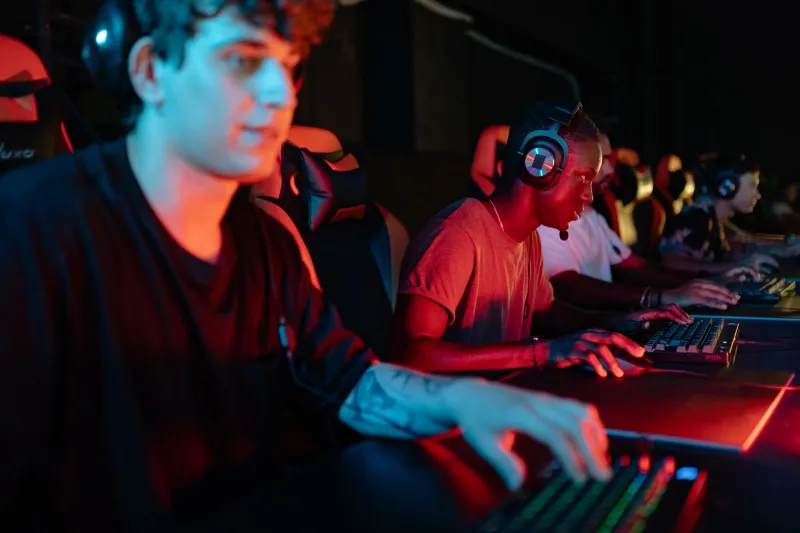
What's different with esports is the speed and the directness of the connection. When a pro player wins a championship on a stream watched by two million people, those two million viewers have an immediate, intimate relationship with that player's look. They watched them grind. They watched them choke and come back. They watched them win. That emotional investment makes the aesthetic mean something.
The podium effect is really just what happens when a community finally has enough shared cultural history to develop its own style mythology. Esports is at that point now. The teams that keep winning are going to keep setting the visual agenda — whether they plan to or not.
And somewhere out there, a casual player is putting together a fit in navy and gold, telling themselves it's just a coincidence.