Sweats at Home, Suits at the Stage: The Double Life of the Modern Esports Pro
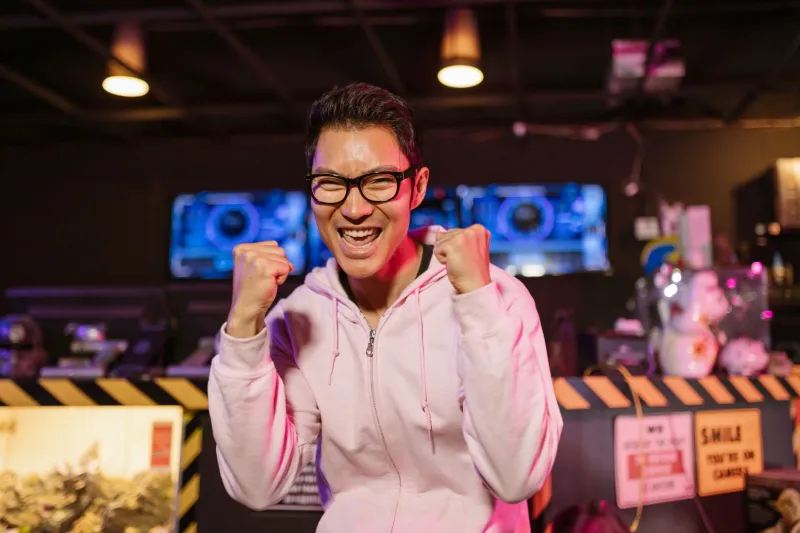
There's a version of your favorite esports pro you see every Tuesday night on Twitch — no makeup, oversized merch hoodie, hair barely touched, vibing in their home setup at 1 a.m. And then there's the version that walks out onto a tournament stage at LCS, VCT, or Worlds — fitted jersey, fresh kicks, hair actually done, looking like they're about to walk a red carpet before they frag out.
These are the same person. And that contrast? It's not accidental.
The Comfort Zone Is Real — and It's Strategic
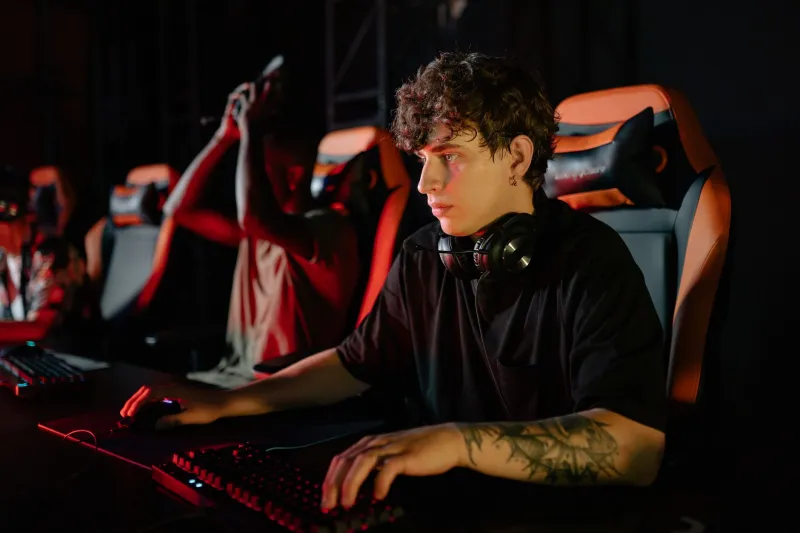
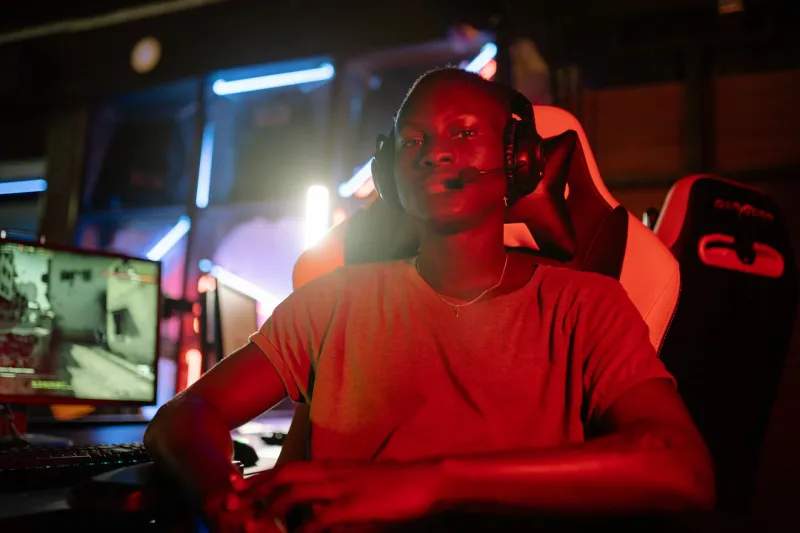
When pros stream from home, the vibe is intentionally low-key. Part of that is genuine — nobody's putting on a fitted blazer to grind ranked at 2 a.m. But part of it is also a calculated persona choice. Casual, accessible, relatable. The hoodie communicates: I'm just like you. It collapses the distance between a seven-figure esports athlete and the viewer watching from a dorm room.
This matters because streaming income, sponsorship deals, and audience loyalty are all built on parasocial connection. If a pro looked polished and untouchable every single broadcast, that intimacy erodes. The messy bun and the worn-out tee are, weirdly, part of the brand.
But here's the paradox: that same player, the moment they step into a competitive arena, flips a switch. The outfit changes. The posture changes. Even the energy in their eyes changes. And their audience? They notice — and they love it.
Tournament Day Is a Different Animal
Competitive events operate on a completely different social register than a casual stream. There are cameras with real production budgets. There are brand sponsors with logo placements on the line. There are tens of thousands of viewers — and sometimes millions — watching a broadcast that will live on YouTube forever.
Tournament appearances are, functionally, public performances. And like any performer stepping into the spotlight, pros understand that how they look shapes how they're perceived before a single ability is cast or bullet is fired.
Team jerseys play a huge role here, obviously. Organizations like Team Liquid, Cloud9, 100 Thieves, and FaZe Clan have invested serious money into their visual identities. Wearing the jersey isn't just uniform compliance — it's an act of representing something bigger than yourself. Players have described suiting up for events as feeling similar to an athlete putting on a pro sports uniform. The ritual matters.
But beyond the jersey, the personal choices pros make — the sneakers they lace up, the accessories they wear, the way they style their hair — are increasingly intentional. This is the space where individual branding bleeds into team identity.
The Psychology Behind the Transformation
Sports psychologists have long documented how clothing affects performance and mindset — what researchers call "enclothed cognition." The basic idea: what you wear influences how you think and feel. Dress sharp, feel sharp. It's not magic; it's mental priming.
For esports athletes who spend most of their lives in ergonomic chairs staring at monitors, the physical act of getting dressed for competition serves as a ritual boundary. It signals to the brain: this is different. This counts. The outfit becomes part of the pre-match routine, sitting alongside warm-up games, breathing exercises, and team huddles.
Several pros have spoken openly about this in interviews and on social media. The consensus is surprisingly consistent — changing into competition-ready clothing genuinely shifts their headspace. It's less about vanity and more about psychological readiness.
Personal Brand as Career Infrastructure
Here's where the business side gets interesting. Esports careers can be brutally short. Roster cuts happen. Contracts expire. Games die. The pros who build lasting careers — the ones who transition into content creation, coaching, commentary, or brand partnerships — are almost always the ones who treated their personal brand like an asset from day one.
Tournament appearances are some of the highest-visibility moments a player will ever have. Every photo, every on-stage interview clip, every highlight reel — it all circulates. A pro who shows up looking intentional, who has a recognizable aesthetic or a signature style element, gets remembered differently than one who blends into the background.
100 Thieves essentially built an entire streetwear brand on the back of this logic, understanding that their players were style influencers as much as they were athletes. When their roster shows up to events looking cohesive and clean, it reinforces a brand identity that sells hoodies and hats to hundreds of thousands of fans.
The fit isn't separate from the career. In 2025, the fit is part of the career.
The Gap Is Closing — and That's the Point
What's fascinating is that the gap between "casual stream look" and "tournament look" is itself becoming a content moment. Pros post fit checks before big events. Fans debate sneaker choices in comment sections. Pre-show arrival footage — players walking into arenas in their personal fits before changing into jerseys — has become a mini-genre of its own on social platforms.
This mirrors what happened in the NBA with tunnel fits. Players arriving at arenas in designer outfits became appointment viewing. Esports is building its own version of that culture, scaled to its audience and aesthetic language.
The sweatpants-to-stage-ready pipeline isn't a contradiction. It's a feature. The casual home stream builds the connection. The tournament appearance elevates the status. Together, they create a complete public persona — one that feels real enough to follow and aspirational enough to admire.
What This Tells Us About Where Esports Is Headed
The fact that this contrast even exists — and that fans care about it — says a lot about how far competitive gaming has come as a cultural institution. We're not just watching people play games anymore. We're watching athletes perform, build brands, and navigate a public life in real time.
The deliberate wardrobe choices pros make, from the worn hoodie on stream to the clean fit on stage, are evidence of a community that has internalized the full weight of being a public figure. They're thinking about image, narrative, and legacy in ways that would have seemed absurd in the LAN café era.
Dress down to connect. Dress up to compete. Somewhere in that space between the hoodie and the stage look lives the modern esports pro — and honestly? The drip on both ends is getting better every season.