Duped Out: How Knockoff Culture Is Quietly Killing Streamer Drip
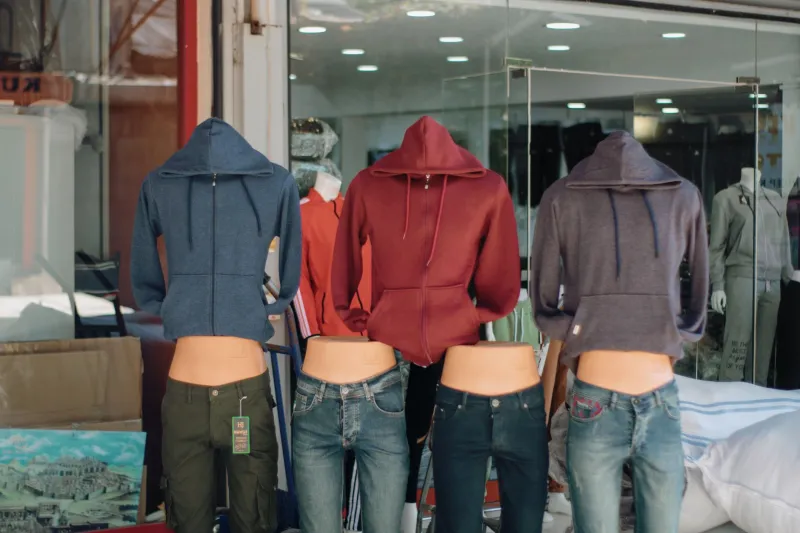
There's a specific kind of frustration that hits different when you've spent months designing a signature look, finally drop it to your community, and then watch a factory halfway across the world spit out a near-identical version for $14.99 before your own merch even ships. That's the reality a growing number of gaming content creators are living right now — and it's reshaping the entire conversation around what gaming fashion actually stands for.
The counterfeit problem in gaming culture isn't new, but it's accelerating in ways that are genuinely hard to keep up with. As streaming aesthetics have crossed over into mainstream fashion consciousness, the incentive to rip off recognizable gaming looks has never been higher. And the pipeline from "streamer wears it on stream" to "knockoff listed on a resale app" has never been shorter.
From VOD to Vendor in 72 Hours
Here's how it typically goes down. A popular streamer debuts a custom piece — maybe a color-blocked quarter-zip with their logo stitched into the chest, or a limited run of vintage-style tees tied to a tournament moment. Their community goes wild. The item sells out almost immediately, or sits in a queue waiting on a production run. Meanwhile, someone with access to a print-on-demand platform or an overseas manufacturer has already screenshotted the look, reverse-engineered the design, and listed something close enough to fool a casual buyer.
Content creators in the mid-tier range — those with anywhere from 50,000 to 500,000 followers — say they're getting hit the hardest. They have enough visibility to attract copycats but not enough resources to pursue legal action or flood the market with volume that drowns out fakes. One creator in the FPS space, who asked to stay anonymous because of an ongoing dispute with a reseller, described finding twelve separate listings for what amounted to a copy of their signature colorway within a week of a stream where they unveiled it. "It wasn't even a product yet," they said. "It was just me in a custom piece I had made for myself."
The Accessibility Argument (And Why It's Complicated)
Not everyone in the gaming community sees knockoffs as a straightforward villain origin story. There's a real and legitimate conversation to be had about price accessibility. Official streamer merch often runs expensive — not because creators are gouging fans, but because small-batch production, quality materials, and platform fees stack up fast. A hoodie that retails for $75 might genuinely represent the floor for a creator trying to make the economics work.
For younger fans, especially those who are still in high school or college, a $15 dupe from a fast-fashion site can feel like the only realistic way to rep their favorite streamer. That's an uncomfortable truth the gaming fashion world hasn't fully grappled with yet.
But accessibility and authenticity are on a collision course here. When knockoffs flood the market, they don't just undercut a creator's revenue — they dilute the cultural meaning of the piece itself. Part of what makes limited gaming drops feel significant is their scarcity. When anyone can grab a near-identical version for the price of a fast food meal, that cultural currency evaporates fast.
What 'Drip' Even Means Anymore
The counterfeit wave is doing something subtle but significant to the way competitive communities talk about style. In spaces where what you wear has become a genuine form of identity and community signaling, fakes create a kind of aesthetic inflation. Everyone looks like they're wearing the thing, but fewer people actually are.
This is something sneaker culture dealt with years ago and never fully solved. The difference in gaming fashion is that the originals aren't Nike or Adidas — they're individual creators without legal teams or brand protection infrastructure. The playing field is wildly uneven.
Some creators are fighting back by leaning harder into authentication. Limited drops tied to specific Discord communities, QR codes embedded in garment tags, and numbered certificates of authenticity are all strategies being tested right now. Others are moving toward a model where the "real" version of a look isn't a physical product at all — it's a digital wearable, an in-game cosmetic, or an NFT-adjacent collectible that can't be physically duplicated. Whether that approach resonates with audiences is still an open question.
The Platform Problem
Amazon, Etsy, Depop, and TikTok Shop all have policies against counterfeit goods, but enforcement is inconsistent at best. Creators report submitting takedown requests only to watch the same listings reappear under slightly different names days later. The whack-a-mole reality of platform moderation means that by the time a fake listing gets pulled, it's already made its sales.
What makes this particularly thorny in the gaming space is that streamer aesthetics are often harder to trademark than a traditional brand logo. A vibe, a colorway, a general silhouette — those aren't always legally protectable. Counterfeiters know this and exploit the gray area aggressively.
Some creators are starting to work with IP attorneys who specialize in digital media to get ahead of this, but that's an expense most smaller streamers can't absorb. The industry-wide solution, if there is one, probably involves platform-level change that creators alone can't force.
The Community's Role
Fans have more power in this dynamic than they often realize. The decision to buy a knockoff versus saving up for the authentic drop is, in aggregate, a vote about what gaming fashion culture values. That's not a guilt trip — it's just a real dynamic.
Creators who are building genuine style identities, who are putting actual thought and craft into what they wear and what they release, are the ones making gaming aesthetics worth talking about in the first place. When that work gets undercut by fast fashion opportunism, the whole scene loses something.
The most authentic response from communities so far has been calling out fakes publicly — tagging creators when they spot knockoffs, flagging listings, and actively celebrating the real drops when they come through. It's not a perfect system, but it's something.
Where This Goes Next
The counterfeit problem in gaming fashion isn't going away. If anything, as the intersection of esports culture and mainstream style gets more visible, the incentive to rip it off will only grow. What changes is how creators, communities, and platforms respond.
The streamers who are going to come out ahead are the ones treating their aesthetic as something deeper than merchandise — a genuine extension of their brand identity that's harder to fake because it's rooted in something real. Knockoffs can copy a colorway. They can't copy the story behind it.
For now, the drip is getting duped. The question is whether the culture cares enough to make authenticity matter again.