Clothes Make the Competitor: How Pro Gamers Are Finally Dressing Like They Mean It
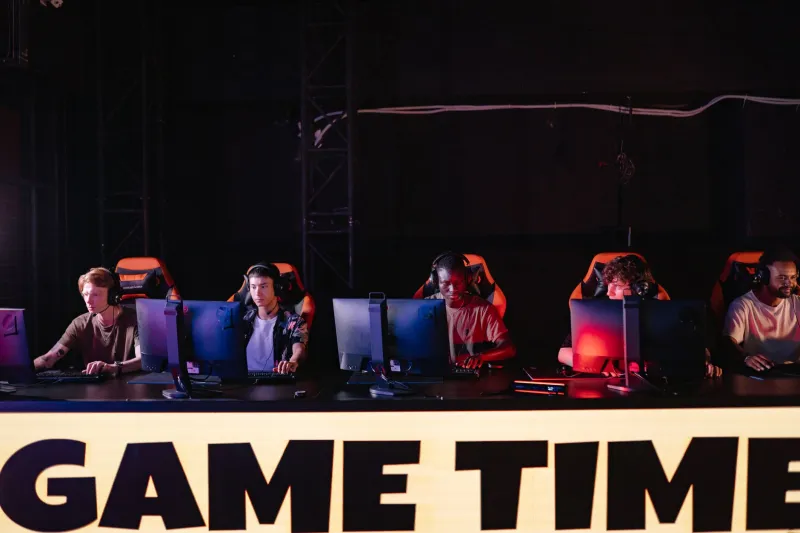
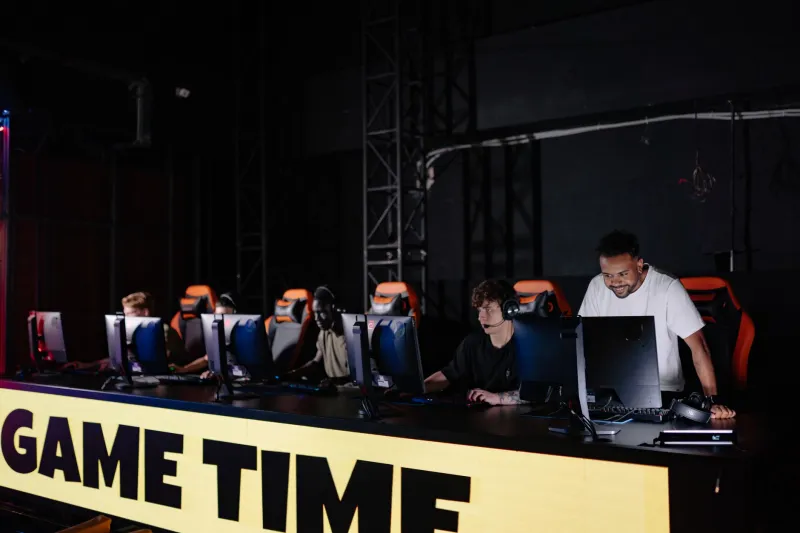
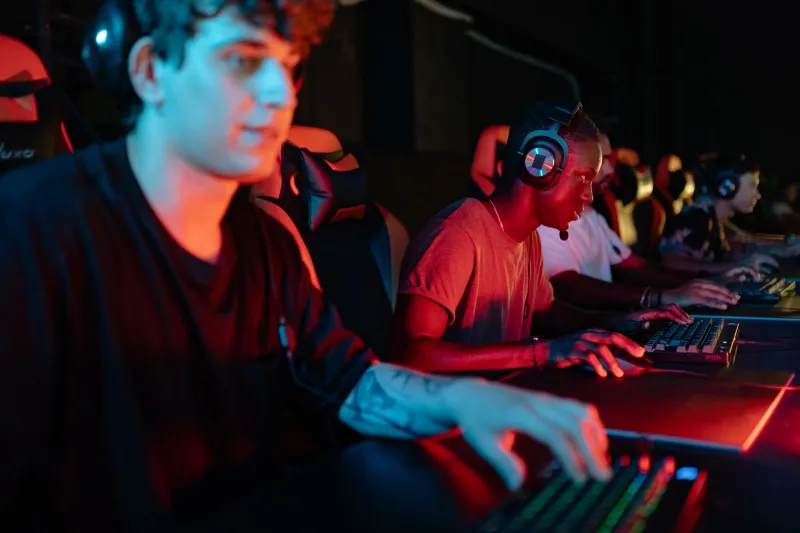
For a long time, the image of a pro gamer was pretty much locked in: oversized hoodie, joggers, maybe a team jersey that fit like a garbage bag. Nobody was checking the fit. Nobody was supposed to. Gaming was about the screen, the hands, the mind — not the mirror.
That era is quietly wrapping up.
Across esports organizations, regional LAN events, and even the casual stream-from-home crowd, something has shifted. Competitive players — especially those coming up in the Gen Z pipeline — are arriving to matches, content shoots, and fan meetups looking genuinely put together. Not in a "someone told me to wear this" way. In a "I chose this on purpose" way. And the difference is massive.
The Hoodie Wasn't Just Comfortable — It Was a Defense Mechanism
Let's be honest about where the gamer uniform came from. For decades, gaming culture existed in a kind of social exile. Dressing up meant inviting attention, and attention meant scrutiny from people who didn't take the hobby seriously. Blending in was safer. The hoodie wasn't just cozy — it was camouflage.
But the landscape has changed completely. Esports fills arenas. Streamers move merchandise at a pace that puts some legacy sports figures to shame. The cultural weight of competitive gaming is undeniable now, and with that legitimacy comes a different kind of freedom: the freedom to actually care about how you show up.
Rising players in scenes like Valorant, League of Legends, and fighting game circuits have started talking openly about style as part of their competitive identity. It's not vanity. It's intentionality.
Getting Dressed as Mental Prep
Here's something worth sitting with: athletes in traditional sports have used pre-game rituals — including getting dressed — as psychological anchors for decades. Football players have locker room routines. Basketball players famously obsess over sneaker choices before tip-off. The act of putting on something specific signals to the brain that it's time to perform.
Pro gamers are catching onto this.
Several rising competitors have described choosing their tournament-day outfit the night before as part of their mental preparation — the same way they might review VODs or run warm-up drills. When you look intentional, you feel intentional. That's not a style blog talking point; that's basic sports psychology applied to a context that's finally ready for it.
Team performance coaches working with esports orgs have started paying attention to this connection. Confidence is a performance variable. Anything that boosts a player's sense of readiness and self-assurance before a match is worth examining — and apparently, a clean fit clears out more mental clutter than people expected.
What the New Esports Wardrobe Actually Looks Like
So what are these players actually wearing? It's not suits — at least not most of the time. The shift isn't toward formal; it's toward considered. There's a big difference.
Streetswear is doing a lot of heavy lifting here. Brands with roots in skate and sneaker culture have always had a natural crossover with gaming communities, and that pipeline is more active than ever. Cargo pants with actual structure. Graphic tees that aren't just Walmart blanks. Layering that looks like it came from somewhere intentional rather than the floor of a dorm room.
Colorways matter too. Players are starting to coordinate with their team's visual identity even when they're not in official jerseys — not in a corny way, but in a way that signals awareness. It's the same instinct that makes a streetwear head pull the exact right shade from a sneaker into the rest of their fit. That eye is showing up in esports now.
Footwear is another tell. Sneaker culture and gaming culture have been orbiting each other for years, but you're seeing more players actually close that loop on-stage, showing up in pairs that are clearly chosen rather than just grabbed.
Gen Z Is Rewriting the Look-the-Part Rulebook
The generational piece of this is real. Older competitive gaming culture had a complicated relationship with caring about appearance — there was almost a social penalty for trying too hard. Gen Z didn't grow up with that particular hang-up.
This is a generation that grew up watching creators build entire personal brands around aesthetic. They understand intuitively that visual identity is part of the package, whether you're a streamer building an audience or a pro player trying to establish a presence in a crowded scene. Looking like yourself — loudly, on purpose — is not a distraction from performance. It's part of the performance.
You see it in how younger players carry themselves at events. There's less apologetic energy, less shrinking. They're not trying to disappear into a jersey. They're showing up as a complete person, which weirdly enough makes them more watchable, more marketable, and — coaches are starting to argue — more mentally locked in when the match starts.
The Team Jersey Isn't Going Anywhere — But It's Getting Competition
None of this means the traditional esports jersey is dead. Team uniforms still serve a function: cohesion, sponsor visibility, brand recognition. But what's changing is the context around the jersey.
Pre-match fits. Post-match fits. Content day fits. Travel looks. The spaces around the jersey are where individual identity is getting expressed, and organizations are increasingly smart enough to let it happen. Some orgs are actively leaning in — giving players style budgets, partnering with streetwear brands for capsule drops, letting players have input on how they show up in non-competitive contexts.
That's a significant cultural shift from the days when the org owned your look top to bottom and players had zero say.
Why This Actually Matters Beyond the Aesthetic
It's easy to frame all of this as superficial — as if caring about clothes is somehow separate from the real business of competing. But that framing misses the point entirely.
Style, at its core, is communication. It's how you tell the world — and yourself — who you are and what you're about before you say a single word. In a competitive environment where confidence, composure, and mental clarity are legitimate performance factors, the way a player chooses to present themselves isn't beside the point. It is the point.
The pros who are leaning into fashion aren't abandoning their competitive edge. They're sharpening it through a different tool. And if the results hold — and early indicators suggest they do — the hoodie-and-sweatpants default is going to start looking less like a uniform and more like a missed opportunity.
The fit check is officially part of the meta now. Adjust accordingly.