Dress Code Unlocked: The Unwritten Style Rules Dividing Gaming Communities
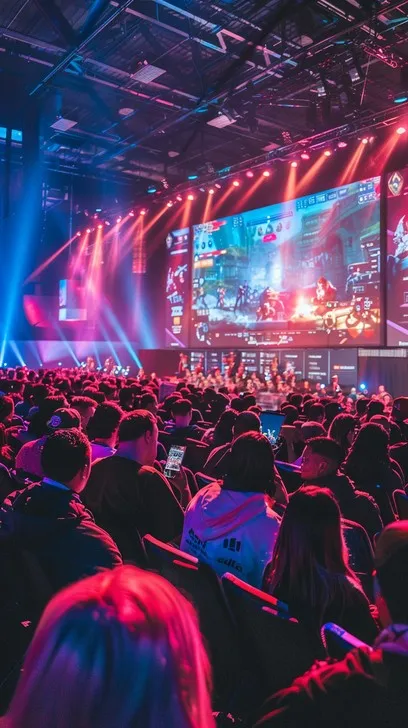
Photo: esports tournament audience fashion streetwear competitive gaming event, via images.stockcake.com
There's a moment every competitive gamer eventually faces — you show up to a local tournament, a LAN event, or even just post a photo in a Discord server, and within seconds the comments roll in. Not about your mechanics. Not about your rank. About what you're wearing.
Welcome to the fit check meta.
Gaming communities have quietly developed their own fashion codes, and they're enforcing them with the same energy they bring to tier lists and patch debates. What started as a vibe has evolved into something closer to gatekeeping — and depending on who you ask, that's either a sign that gaming culture has finally grown up, or a troubling echo of the exclusivity it once fought against.
The New Dress Code Nobody Wrote Down
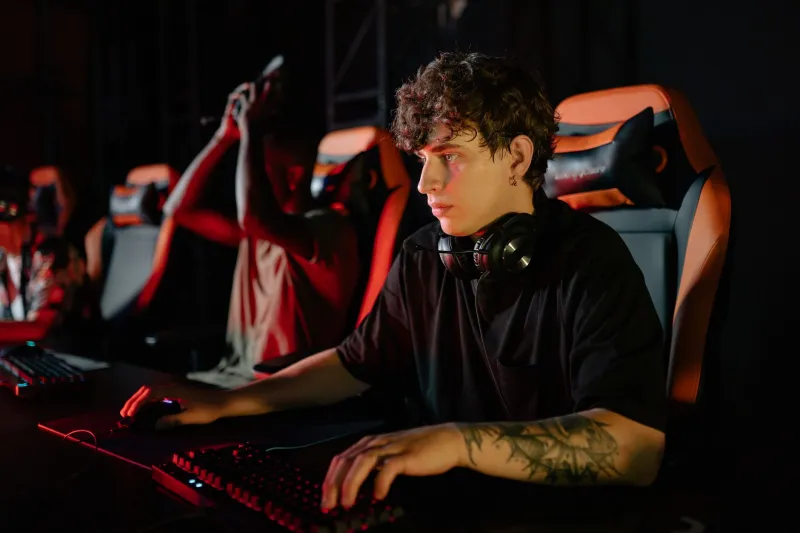
Ask around in any serious esports Discord and you'll find it fast: there's a look. Oversized streetwear, clean sneakers, muted or monochrome palettes, maybe a team jersey styled intentionally rather than thrown on. It's not a uniform, but it might as well be.
"There's definitely a vibe check that happens," says Marcus, a 23-year-old Valorant player and part-time streamer based in Atlanta. "If you show up to a local looking like you just rolled out of bed in a random graphic tee from 2015, people clock it. They don't say anything, but they clock it."
That silent judgment is the crux of what's happening. Nobody handed out a rulebook. But somewhere between the rise of esports as a spectator sport and the explosion of streaming culture, competitive gaming communities started developing aesthetic expectations — and started enforcing them through social pressure rather than policy.
The irony is thick. Gaming spaces spent years being the place where appearance didn't matter, where the basement-dweller stereotype was almost worn as a badge of honor. Now, those same communities are running fit checks with the precision of a fashion week front row.
Tournament Floors Have Become Runways
Anyone who's attended a major esports event in the last few years has seen it in real time. The players warming up courtside aren't just repping their orgs — they're making statements. Custom colorways, brand collabs, pieces that blur the line between athletic wear and high fashion. The tournament floor has quietly become a runway, and the audience notices.
But it's not just the pros setting the tone. Attendees are dressing up too. Cosplay-adjacent outfits, meticulously styled team merch, streetwear fits that could hold their own at any sneaker convention. There's a performative element to showing up at a major that didn't exist five years ago.
"When I went to my first in-person tournament, I genuinely didn't think about what I was wearing," says Priya, a 21-year-old League of Legends player from Chicago. "Now I plan it out. It sounds ridiculous but it's part of the experience. You want to look like you belong there."
That phrase — look like you belong — is doing a lot of work. And it's where the conversation starts to get uncomfortable.
When Aesthetic Standards Become Gatekeeping
There's a version of this story that's genuinely positive. Fashion as self-expression, communities developing shared identity, gamers reclaiming their image on their own terms. That version is real and it matters.
But there's another version where aesthetic standards become barriers — where the cost of entry isn't skill or dedication, but the ability to afford the right gear, the right fit, the right look. Where someone who can't or won't perform a certain aesthetic gets quietly pushed to the margins.
"I've seen people get clowned on in community spaces for not dressing a certain way, and it's like — that's the same energy we used to hate when it was pointed at us," says Jordan, a streamer and esports commentator based in Los Angeles. "We went from 'gamers don't care about looks' to 'your fit is cringe' real fast."
The backlash is real and growing. Creators across Twitch and YouTube have started pushing back openly against what some are calling fashion elitism in gaming spaces — the idea that your credibility as a gamer is somehow tied to your wardrobe. The argument is straightforward: the whole point of gaming communities was that they were supposed to be a refuge from that kind of superficial judgment.
Style as Signaling, Not Gatekeeping
Not everyone sees it as a binary. Some players and creators argue that the emergence of fashion consciousness in gaming isn't about exclusion — it's about signaling seriousness, professionalism, and identity in a space that's increasingly mainstream and competitive.
"When I'm on camera or at an event, how I look communicates something," says Marcus. "It's not about being better than someone else. It's about taking the space seriously. Esports is a real industry now. You dress like it."
That perspective echoes something that's happened in other subcultures that went mainstream — skateboarding, sneaker culture, streetwear itself. As a scene grows, its aesthetic codes become more codified. The question is always whether that codification creates community or just recreates the hierarchies the community was built to escape.
What the Fit Check Meta Actually Means
At its core, the tension playing out in gaming communities right now is about identity and belonging — two things that have always been at the heart of gaming culture. The fit check meta is just the latest arena where those questions are getting worked out.
For some, developing a gaming aesthetic is empowerment — taking ownership of how the world sees gamers, trading in tired stereotypes for something that reflects who the community actually is in 2024. For others, it's a warning sign that competitive gaming is starting to replicate the same gatekeeping dynamics it once rejected.
The truth is probably somewhere in the middle, as it usually is. Style in gaming spaces can be a form of creative expression, a professional signal, and a community bond all at once — without needing to be a weapon. The difference between a shared aesthetic and a dress code enforced through exclusion is largely about intent, and about who gets to define what "looking the part" actually means.
One thing is clear: gaming communities are not going back to not caring about fashion. That ship has sailed, and honestly, the fits have never looked better. The real meta game now is figuring out how to build an aesthetic culture that's expansive enough for everyone who wants in — without making the door any harder to walk through than it needs to be.