Throne Room Lies: What Esports Pros Actually Sit On During 10-Hour Grind Sessions
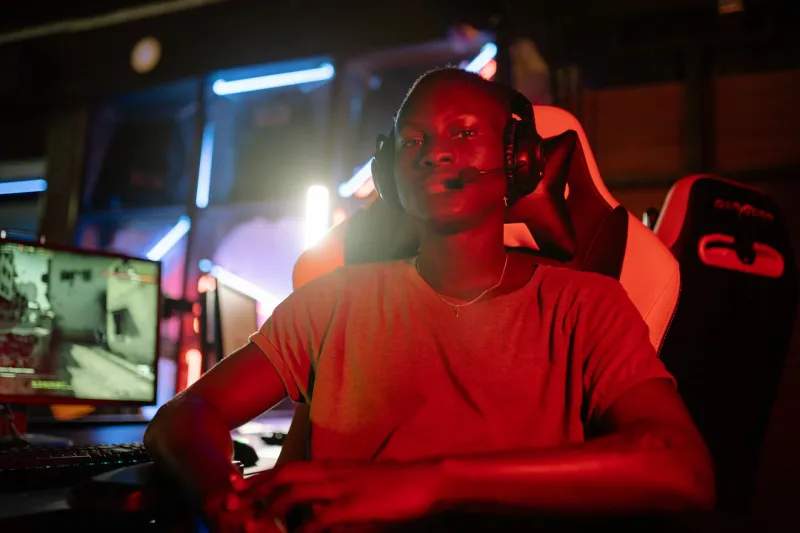
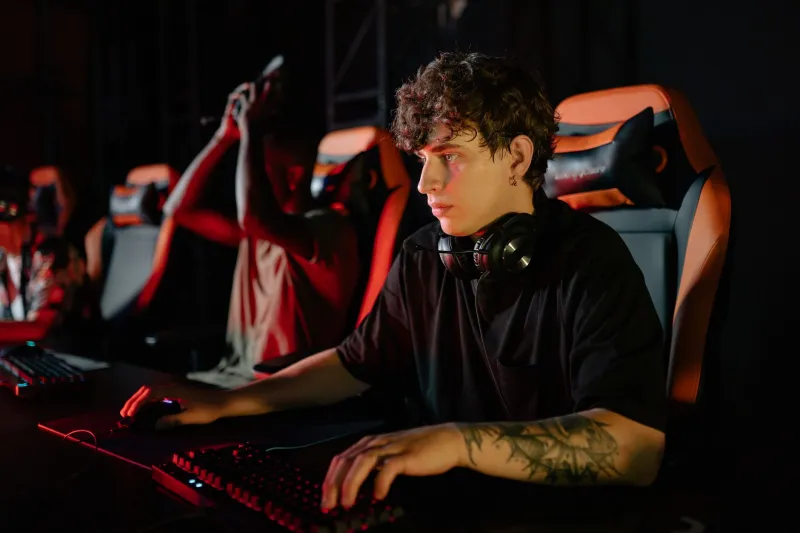
Walk through the average esports team facility and you'll spot the usual suspects — towering bucket-seat chairs in team colors, logos embroidered on the headrests, the whole branded package. It looks great on a sponsor highlight reel. It photographs well for social. And for a lot of organizations, that's kind of the entire point.
But spend a little more time in those same facilities — past the camera angles and the content shoots — and you'll start noticing something interesting. Some of the best players in North America aren't sitting in those chairs when it actually matters. They're in something else entirely. Something a lot less photogenic. Something that, at first glance, looks like it belongs in a midsize accounting firm rather than a world-class gaming setup.
The Marketing Story vs. the Training Reality
Gaming chairs as a product category have always leaned hard on aesthetic. The racing seat silhouette, the lumbar pillow that ships in a plastic bag, the side bolsters that look aggressive but functionally lock you into one sitting position for hours — it's a vibe, not a solution. And it's been a wildly profitable vibe. The global gaming chair market was valued at over $1 billion in recent years, and brands have poured enormous resources into pro team sponsorships specifically because that association with competitive legitimacy sells product.
The problem is that competitive legitimacy and ergonomic legitimacy are two very different things. And the people who work directly with elite players' bodies will tell you that gap is getting harder to ignore.
"The number one issue I see with players coming in from long training blocks is anterior pelvic tilt and forward head posture," says one physical therapist who works with multiple professional rosters in the LCS ecosystem and asked not to be named due to team NDAs. "A lot of that gets reinforced by chairs that are designed to look aggressive rather than support neutral spine positioning. The bolsters push your shoulders forward. The seat depth is usually wrong for smaller frames. It's not that they're terrible chairs — it's that they're optimized for the wrong thing."
That disconnect becomes a real issue when you're logging eight to twelve hours a day in the same seat. Weekend warriors can get away with a lot. Players grinding at the professional level cannot.
What the Pros Are Actually Choosing
Here's where it gets interesting. Once you start asking around — really asking, off the record and outside of sponsor obligations — a pattern emerges among top-level players and high-viewership streamers who've been in the game long enough to care about longevity.
Herman Miller. Steelcase. Humanscale. The names that show up repeatedly are not gaming brands. They're office furniture manufacturers whose products were engineered for people sitting at desks for long periods, which is, when you strip away the aesthetic layer, exactly what a competitive gamer is doing.
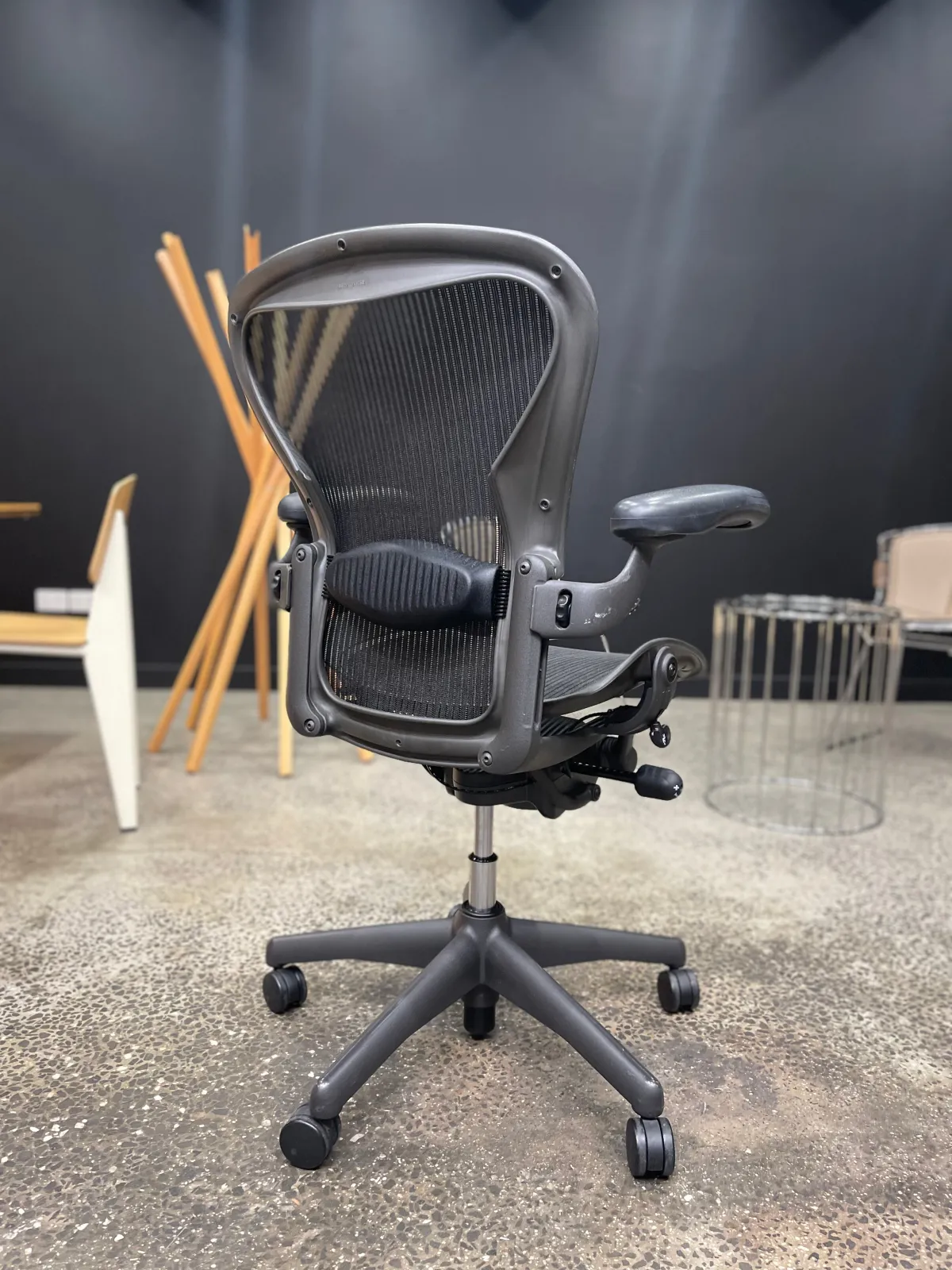 Photo: Herman Miller, via chairhub.com.au
The Herman Miller Aeron in particular has developed a kind of underground cult following in pro circles. It's not cheap — you're looking at $1,400 to $1,900 depending on configuration — but players who've made the switch describe the difference in almost physical relief terms. "I stopped having lower back issues within two weeks," one Valorant player told us. "I'd been dealing with it for almost a year and just assumed it was part of the lifestyle."
Steelcase's Leap chair gets similar mentions, especially among players who need more adjustability for different sitting positions throughout a long session. The ability to actually customize lumbar support depth, not just move a pillow up and down, matters more than it sounds when you're six hours into a ranked grind.
The Streamer Side of the Story
Content creators have a slightly different relationship with the chair question because they live on camera in a way that pro players practicing in facilities don't. But even in streaming, the shift is happening — it's just more quietly.
Some of the most-followed streamers in the US have been spotted in office chairs during casual streams or IRL content, the gaming chair conspicuously absent. Others have started positioning their setup so the chair isn't really visible at all, letting the screen content carry the frame. A few have been more direct about it, telling their communities plainly that they made the switch for health reasons and aren't going back.
What's interesting is that audiences aren't actually punishing them for it. The idea that a gaming chair is a visual prerequisite for being taken seriously as a content creator has eroded significantly over the last couple of years, partly because the clean stream aesthetic has made minimalism more acceptable, and partly because viewers are increasingly savvy about the difference between sponsored content and genuine product use.
The Ergonomic Checklist Nobody Gave You
If you're reconsidering your own setup, physical therapists who work in the esports space tend to point to a few non-negotiable features regardless of what chair you end up in:
Adjustable lumbar support that actually moves. Not a pillow. A mechanism that lets you position support at the exact curve of your lower back, which varies person to person.
Seat depth adjustment. You want about two to three fingers of clearance between the front edge of the seat and the back of your knees. Most gaming chairs can't actually accommodate this for players on either end of the height spectrum.
Armrests that adjust in multiple directions. Up and down is the bare minimum. You want arms that can also move forward, back, and angle inward so your shoulders can stay relaxed rather than creeping up toward your ears during tense moments.
A seat that doesn't lock your hips. The deep bolstering on racing-style chairs actively prevents the micro-movements that keep your body from fatiguing. A flatter seat pan sounds less exciting but allows for the kind of subtle positional shifting that matters across a long session.
The Sponsorship Problem
None of this is a secret inside the industry. Team performance staff, trainers, and medical consultants are well aware of the ergonomic tradeoffs. The complication is that gaming chair partnerships represent real money for organizations operating on tight margins, and publicly undermining a sponsor's product is not a move most players or orgs are willing to make.
So the situation continues: chairs in team colors at the broadcast desk, something else entirely in the practice room. It's a version of the same authenticity gap that exists across a lot of gaming gear sponsorships, and it's one that players with enough leverage are slowly starting to navigate around.
Where This Leaves You
If you're buying a chair purely for how it looks in your setup photos, that's a completely valid choice and nobody's judging. Aesthetic is a real part of gaming culture and always has been. But if you're logging serious hours — whether you're grinding ranked, running long stream days, or just spending a significant chunk of your life at a desk — it's worth being honest with yourself about whether your chair is actually working for your body or just working for the vibe.
The pros who've made the switch aren't being anti-gaming. They're just being practical about something that took the industry too long to talk about openly. Your back doesn't care how cool the chair looks. Neither does your performance.