Drop Culture Meets Gaming: How Limited Gear Became the New Sneaker Grail
Photo: ITEagle Europe - Sebastiaan Broekhoven, CC BY-SA 4.0, via Wikimedia Commons
If you've ever refreshed a product page at 11:59 AM waiting for a drop to go live, you already know the feeling. That mix of adrenaline and dread — the same cocktail sneakerheads have been chasing for decades — has officially arrived in gaming culture. Limited-edition peripherals, esports-branded collab sneakers, and collectible merch drops are moving through the same hype machine that once made Air Jordans a cultural currency. And just like with kicks, the real money isn't always in wearing them.
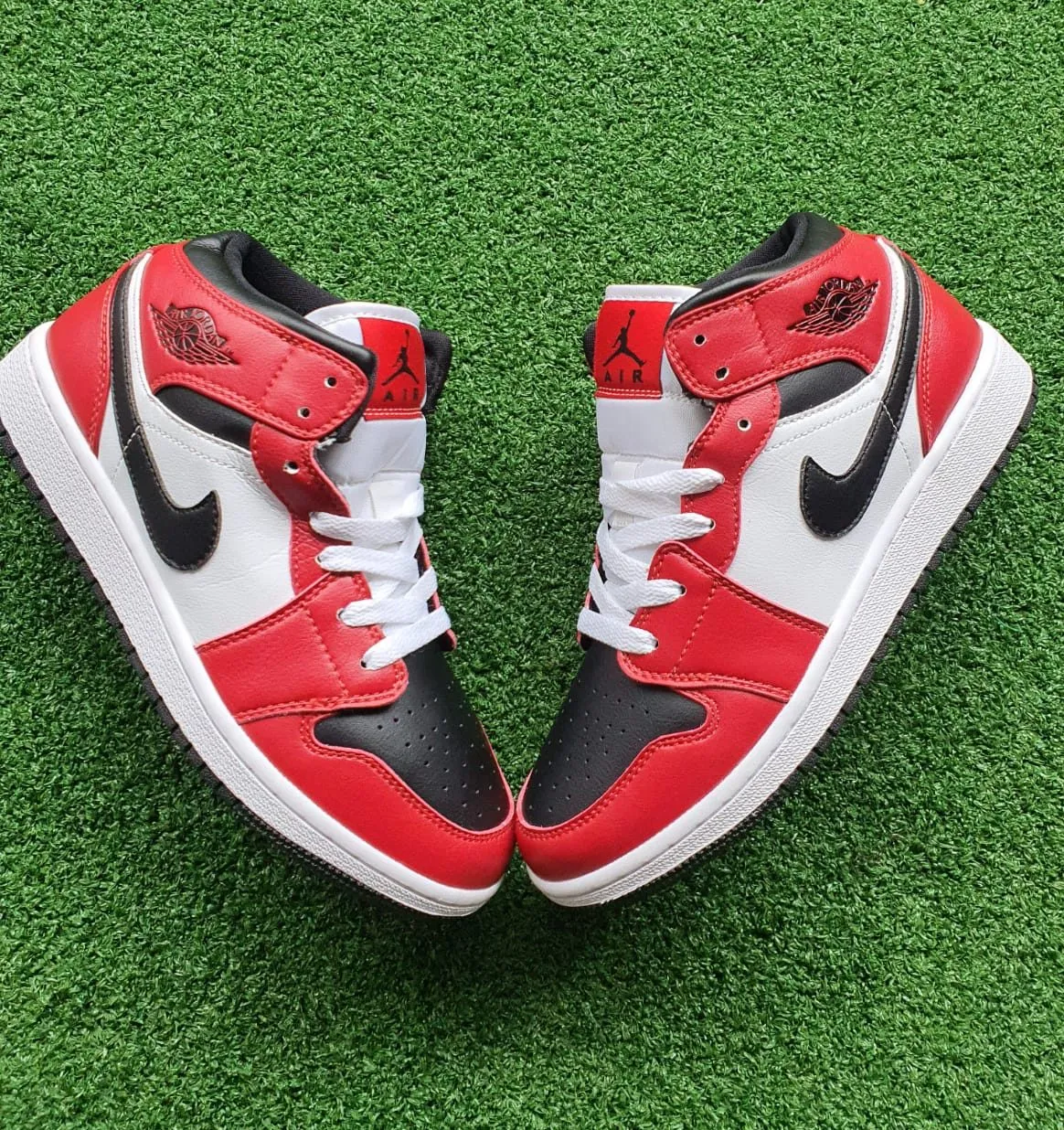 Photo: Air Jordan, via www.exclusivesneakerssa.com
From Peripheral to Prized Possession
It started subtly. A few years back, brands like Razer and SteelSeries began releasing limited colorways and special-edition gear tied to esports teams and tournament events. Fans picked them up as memorabilia. Then something shifted. People started noticing that a discontinued Razer x Team Liquid keyboard or a limited-run HyperX headset from a major LAN event wasn't just a memory — it was holding value. In some cases, it was gaining value.
Take the Razer x Pokémon collaboration drops. When those peripherals hit, they sold out within minutes. Within days, they were flipping on eBay and StockX for two to three times retail. Sound familiar? That's the same playbook Nike's been running since the '80s. Scarcity plus cultural cachet equals a secondary market that takes on a life of its own.
"I treat my collection the same way my older brother treats his sneaker rotation," says Marcus T., a 24-year-old collector and part-time reseller based in Atlanta. "Some stuff I use, some stuff I display, and some stuff I'm holding because I know it's only going up. It's not that different from sitting on a pair of Off-Whites."
The Scarcity Playbook
Manufacturers aren't naive about what they're doing. The limited-drop model is deliberately engineered to manufacture urgency. When Logitech G releases a special edition tied to an esports org, or when a peripheral brand announces a 500-unit run at a major convention, they're not just selling a product — they're selling exclusivity. The gear becomes a signal. A way to say I was there or I'm plugged in without having to explain yourself.
This is exactly how streetwear brands like Supreme built empires. Supreme didn't just sell hoodies. It sold the idea that having the hoodie meant something. Gaming gear is threading the same needle, and younger audiences who grew up watching sneaker culture from the sidelines are now getting their own version of the drop experience.
But not everything holds up. Plenty of "limited" releases end up in bargain bins or gathering dust on shelves because the cultural moment they were tied to faded fast. Gear tied to a team that disbanded, a collab with an influencer who lost relevance, or a tournament that didn't land — those pieces rarely appreciate. The collectors who are winning this market are the ones treating it like any other investment: researching the brand equity, the cultural staying power, and the actual production numbers.
Sneaker Collabs Are the Real Crossover Event
Perhaps the most fascinating evolution in this space is the literal sneaker collaboration. Esports organizations like 100 Thieves, FaZe Clan, and Team Liquid have all dipped into footwear partnerships, and the results have been telling. When 100 Thieves dropped its New Balance collab, the gaming community treated it with the same reverence usually reserved for a Travis Scott Jordan reveal. Resale prices jumped almost immediately.
For brands like New Balance and Puma — both of which have made real pushes into esports sponsorships — the strategy makes sense. The esports audience skews young, trend-conscious, and deeply invested in identity expression. Slapping an org's logo on a clean silhouette and limiting the run creates exactly the kind of moment that drives social engagement and resale buzz simultaneously.
"The crossover between esports and sneaker culture isn't a trend anymore — it's a lane," says Jordan K., a reseller in Los Angeles who splits his time between Sneaker Con and gaming conventions. "I've made more flipping esports collabs in the last two years than I did on some pretty hyped traditional drops. The market is real."
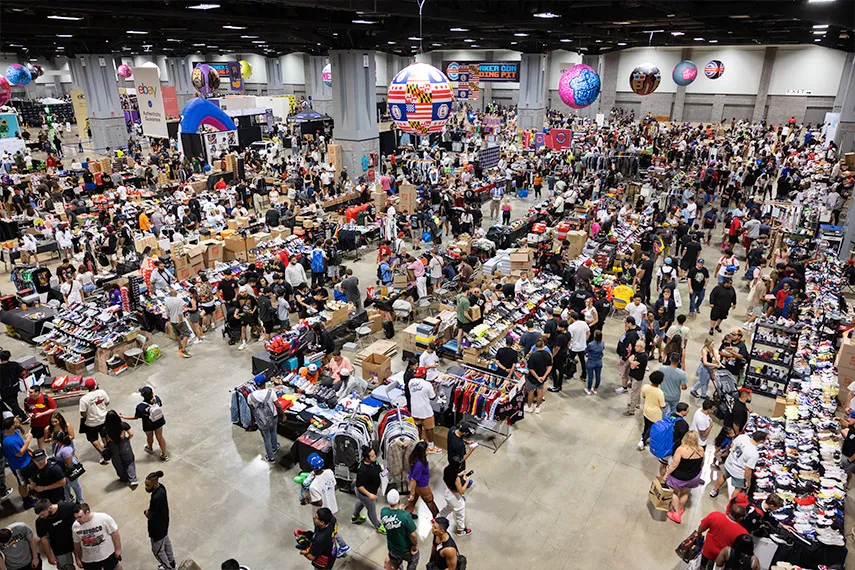 Photo: Sneaker Con, via sneakercon.com
What Actually Holds Value?
So what's worth holding and what's destined to collect dust? Based on conversations with collectors and a look at secondary market data, a few patterns emerge.
Gear tied to championship moments tends to appreciate. A peripheral used or endorsed by a team during a major tournament win carries narrative weight that generic limited runs don't. Brand equity matters too — Razer and Logitech G collab pieces tend to hold better than smaller peripheral brands trying to manufacture hype without the cultural foundation. And crossover appeal is huge: gear that bridges gaming and streetwear, or gaming and sneaker culture, reaches a wider buyer pool and sustains demand longer.
On the flip side, anything tied to a fleeting trend — a viral TikTok moment, a streamer whose relevance peaked and faded, or a game that lost its player base — tends to drop off fast. The secondary market is unforgiving that way.
The Bigger Picture
What's really happening here is a maturation of gaming culture. For years, gaming gear was purely functional. You bought what performed. But a generation that grew up watching sneaker culture, absorbing streetwear aesthetics, and treating style as identity has brought those values into their hobby. The result is a market where a keyboard can be a grail and a mouse pad can be a flex.
The unboxing isn't just content anymore. It's a ritual. And the gear inside isn't just hardware. For a growing number of collectors, it's a portfolio piece — one they hope appreciates while also looking clean on the shelf behind them during their next stream.
Drop culture found gaming. And gaming, it turns out, was ready for it.