Behind the Jersey: How Esports Orgs Are Hiring Style Consultants to Win Before the Game Starts
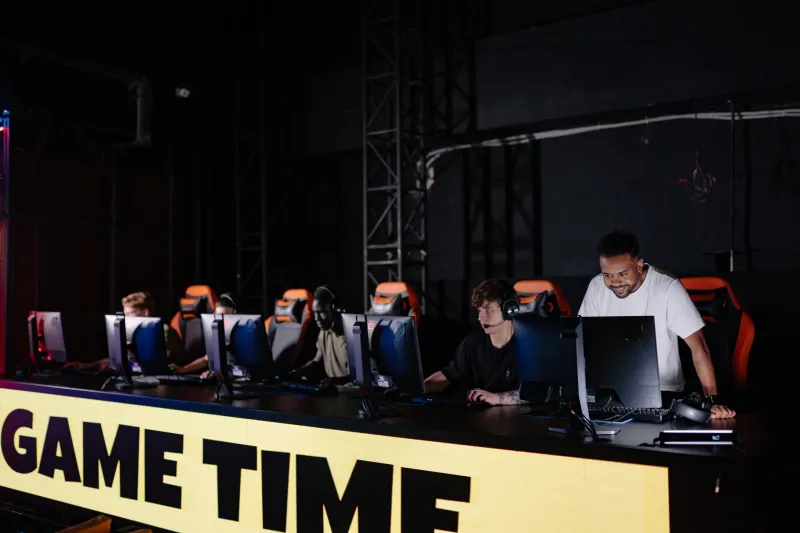
For most of esports history, the question of what players wore on stage was an afterthought — something left to a team manager grabbing jerseys off a bulk order site two weeks before the event. But spend any time talking to people working inside major esports organizations right now, and a different picture starts to emerge. Style is no longer accidental. It's being engineered.
Some of the most competitive orgs in North America are quietly bringing in fashion consultants, brand strategists, and visual identity specialists to help shape how their rosters look — not just online, but on the LAN stage, at media days, and across social content. The jersey is just the starting point.
The Quiet Professionalization Nobody Saw Coming
It started, like most things in esports, with sponsorship pressure. Brands investing serious money into team partnerships want visual consistency. They want their logo sitting next to athletes who look polished, intentional, and camera-ready — not like someone rolled out of a gaming chair ten minutes before the post-match interview.
That expectation created a gap, and a small but growing group of consultants have stepped in to fill it. Some come from traditional sports branding. Others have backgrounds in streetwear or music industry styling. What they share is an understanding that visual identity compounds — that the way a team presents itself over dozens of events, hundreds of clips, and thousands of social posts adds up to something real.
One brand director working with a mid-sized North American org (who asked to stay anonymous because the contract is still active) described the scope of the work this way: "We're not just picking colors. We're building a visual language. What does this team look like when they win? What does it look like when they're grinding content at the facility? Those can't be two completely different answers anymore."
Color Psychology Is Playing Its Way Into the Draft Room
If that sounds like a lot for what used to be a jersey decision, it is — and it's only getting more deliberate. Color psychology, long used in traditional sports branding to trigger specific emotional associations in fans and sponsors, is now being applied to esports team aesthetics with increasing seriousness.
Orgs are thinking about whether their palette reads as aggressive or approachable, premium or accessible, legacy or disruptive. Those aren't abstract questions. They directly affect what kind of sponsors want to be associated with a team and what kind of fanbase the org attracts and retains.
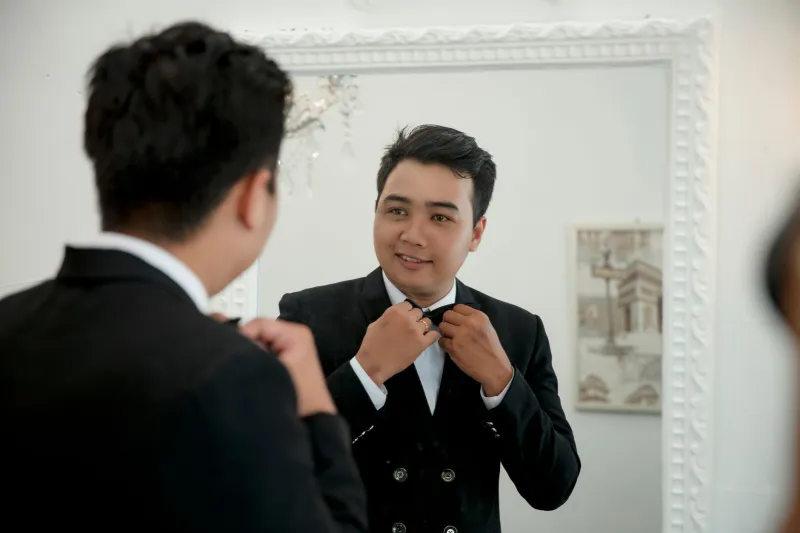
There's also an emerging conversation about how team aesthetics influence the athletes themselves. Pre-match rituals, fit checks, coordinated looks — these aren't just content moments. They function as psychological anchors. Dressing with intention, as a unit, signals cohesion. And cohesion, even if it's partly aesthetic, is something competitive teams are willing to chase.
When the Fit Check Becomes a Recruitment Tool
Here's where things get genuinely interesting: some organizations are starting to factor visual brand alignment into player recruitment conversations. Not as a primary criterion — mechanical skill still runs the table — but as a secondary consideration that can tip decisions at the margin.
The logic isn't as shallow as it sounds. A player who actively engages with their own personal brand, who understands how their public image works and is willing to invest in it, tends to be a better long-term asset for an org than one who treats every media obligation like a punishment. Style awareness is a proxy for brand awareness, and brand awareness translates to sponsorship value.
One talent scout working across multiple titles put it bluntly: "If I've got two players at the same skill level and one of them already has a developed aesthetic — they know how they want to present, they're consistent about it, they show up to events looking intentional — that matters. That player is easier to build around."
The Sponsorship Angle Nobody's Talking About Loudly
Brand consistency is also becoming a harder talking point in sponsorship negotiations. When an org can walk into a pitch meeting with documented visual identity guidelines — defined palettes, typography, content style direction, athlete aesthetic standards — it signals organizational maturity. It tells a potential sponsor that their logo isn't landing on a chaotic visual landscape.
Apparel and lifestyle brands in particular are paying attention. As gaming continues its crossover into mainstream fashion culture, the orgs that look like they have their act together aesthetically are the ones landing deals with partners outside the traditional gaming ecosystem. Streetwear collabs, footwear partnerships, lifestyle brand integrations — these don't happen with teams that look like they got dressed in the dark.
The result is a feedback loop: orgs that invest in visual identity attract better sponsors, which funds more investment in visual identity, which attracts better sponsors. The teams that figured this out early are already lapping the ones still treating aesthetics as an afterthought.
What This Means for the Players
For the athletes themselves, the shift is a mixed bag. Some players genuinely embrace the attention to aesthetics — they're already dialed into fashion culture and see the org's investment as alignment with something they care about. Others find it one more layer of expectation stacked on top of an already demanding professional life.
The organizations doing this well are treating style direction as collaborative rather than imposed. Players have input on their looks, especially for personal content and off-stage appearances. The goal isn't to strip individual identity — it's to channel it into something coherent at the team level without killing what makes each athlete distinct.
That balance is genuinely hard to get right. But the orgs attempting it are building something that feels less like a gaming team and more like a full creative brand — which, in 2025's esports landscape, might be exactly the point.
The Meta Has Shifted
Tournament fashion scouts might sound like a punchline to someone who's been in gaming long enough to remember players competing in cargo shorts and promotional t-shirts. But the economics of esports have changed, the audience has changed, and the expectations around what it means to be a professional in this space have changed with them.
Looking the part isn't separate from being the part anymore. For a growing number of organizations, the fit check is just another form of preparation — and they're treating it with the same seriousness they'd bring to a scrim session. Whether the rest of the industry catches up or keeps sleeping on it might end up being one of the more consequential competitive gaps of the next few years.