Unwritten Rules: How Gaming Communities Turned Outfit Choices Into a Ranked Match
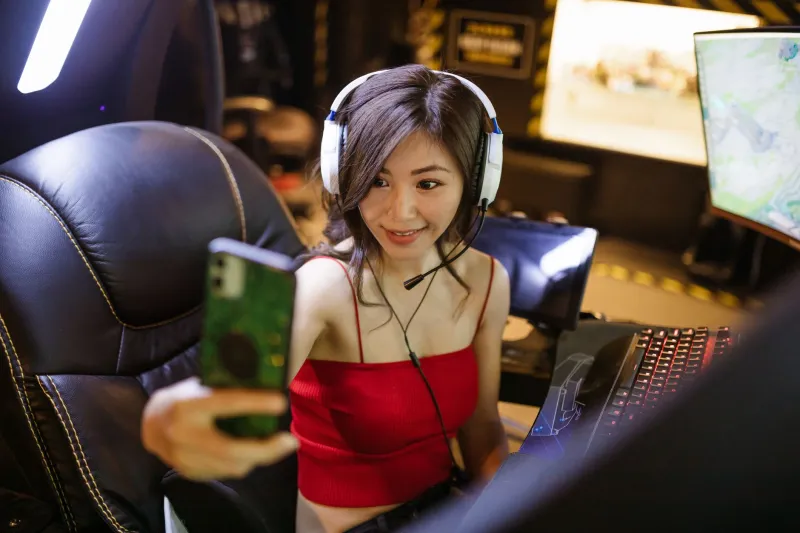
There's a moment most streamers know well. You go live wearing something new — maybe a bold colorway, a luxury brand collab, or just a graphic tee that felt right that morning — and within thirty seconds, the chat is already rendering its verdict. Not about your gameplay. About the fit.
Welcome to the fit check meta. It's unranked in name only.
Gaming communities have always had strong opinions about aesthetics. The difference now is that those opinions have calcified into something that looks less like personal taste and more like community law. And just like in-game metas, these style standards shift, evolve, and punish anyone who doesn't keep up.
When the Chat Becomes the Judge
Ask any streamer with a mid-size following and they'll tell you the same thing: their audience has opinions about their wardrobe that rival anything they'd say about a missed shot. One variety streamer from Atlanta, who asked to stay anonymous, described going live in a pastel hoodie from a mainstream mall brand and getting roasted for twenty straight minutes. "They weren't even watching the game," she said. "It was just fit check after fit check. Someone said I looked like I worked at Target. That one stuck."
The criticism isn't always malicious. Sometimes it's affectionate — the kind of ribbing that happens in any tight-knit group. But the line between community banter and genuine gatekeeping gets blurry fast, especially when the same looks get flagged over and over until a streamer quietly adjusts their wardrobe to avoid the heat.
That's where it starts to feel less like feedback and more like enforcement.
FPS Communities: Clean or Go Home
Different corners of the gaming world have developed wildly different style standards, and understanding them is basically a prerequisite for showing up authentically.
In the FPS space — your Valorant squads, your CS2 grinders, your Warzone loyalists — the dominant aesthetic skews toward a kind of tactical minimalism. Neutral tones, performance fits, branded gear from sponsors or endemic gaming companies. There's a premium placed on looking like you take the game seriously, which somehow translates into looking like you take yourself seriously in a very specific, understated way.
Flashy streetwear can land wrong in these communities if it reads as trying too hard. Irony is appreciated. Loud color-blocking, not always. The vibe is closer to a college athlete who rolls up to practice in a clean hoodie than a hypebeast flexing a full designer fit. Function-forward but not boring. Deliberate but not showy.
"There's a version of drip that FPS guys respect and a version they clown," said one Valorant content creator based in Chicago. "If it looks like you bought it to look cool on stream, they'll know. If it looks like you just happen to have good taste, that's different."
Fighting Game Culture: Authenticity Over Everything
The fighting game community operates on a completely different frequency. At locals, at majors, at events like EVO — the style is eclectic, expressive, and deeply personal. You'll see vintage anime tees next to custom embroidered jackets next to someone rocking a full fit that looks like it was assembled from three different thrift stores and somehow works perfectly.
The FGC's style gatekeeping isn't about conformity — it's about authenticity. Wear something that feels like a costume or a performance, and the community will clock it instantly. Wear something that feels genuinely you, even if it's weird or mismatched or entirely out of left field, and you'll get respect.
This makes the FGC's version of the fit check meta almost the inverse of FPS culture. The unwritten rule isn't "look a certain way." It's "don't look like you're trying to look a certain way." Which, ironically, is its own form of pressure.
MMO Players and the Surprisingly Fierce Transmog Crossover
MMO communities present a different case entirely. Games like Final Fantasy XIV and World of Warcraft have built entire subcultures around in-game fashion — glamour systems, transmog collections, outfit sharing communities with hundreds of thousands of members. The attention to aesthetic detail that players bring to their characters has started bleeding into how they present themselves IRL.
Streamers who cover MMO content are often held to a surprisingly high standard of visual cohesion. The expectation isn't just that you look good — it's that your real-world aesthetic and your in-game aesthetic feel like they belong to the same person. Mismatches get noticed. A streamer who runs a meticulously styled character in-game but shows up on camera looking completely thrown together will hear about it.
"My chat literally told me my setup didn't match my vibe," laughed one FFXIV streamer from Seattle. "They were right, honestly. I had to rethink the whole background."
The Tension Nobody Wants to Talk About
Here's the thing that makes the fit check meta genuinely complicated: most of the people enforcing these unwritten rules would say they're just having fun or keeping it real. And sometimes they are. Gaming communities are built on a kind of radical honesty that's part of what makes them feel different from other online spaces.
But there's a pattern worth naming. The harshest style criticism in gaming spaces tends to land disproportionately on women, on streamers of color, and on anyone whose aesthetic pulls from outside the traditional gaming visual vocabulary. Luxury brands get read as fake. Feminine silhouettes get questioned. Anything that signals "I have a life outside this game" can get treated like a betrayal.
That's not banter. That's a gatekeeping mechanism dressed up as taste.
Some streamers have started pushing back explicitly, calling out chat when the fit check crosses a line. Others have leaned into the scrutiny, turning outfit reveals into content. A few have quietly stopped experimenting with their look altogether, which might be the saddest outcome of all.
Style Shouldn't Be a Skill Check
Metas exist for a reason. In-game, they reflect collective wisdom about what works under competitive conditions. But style isn't a competitive game. There's no win condition. What you wear on stream or at a tournament is one of the few spaces where the community's meta shouldn't have veto power over individual expression.
The best gaming communities understand this. They celebrate the player who shows up to a local in something unexpected. They hype the streamer who wears what they actually like instead of what the algorithm seems to prefer. They treat personal style as an extension of personality — which is exactly what it is.
The fit check meta isn't going anywhere. If anything, it's going to get more intense as gaming culture gets more mainstream and more eyes land on how players present themselves. The question is whether communities evolve alongside it — or keep gatekeeping style the same way they gate ranked queues.
Your fit shouldn't need a win rate to be valid.