Drip or Drop: How Esports Pros Are Turning Their Look Into Their Legacy
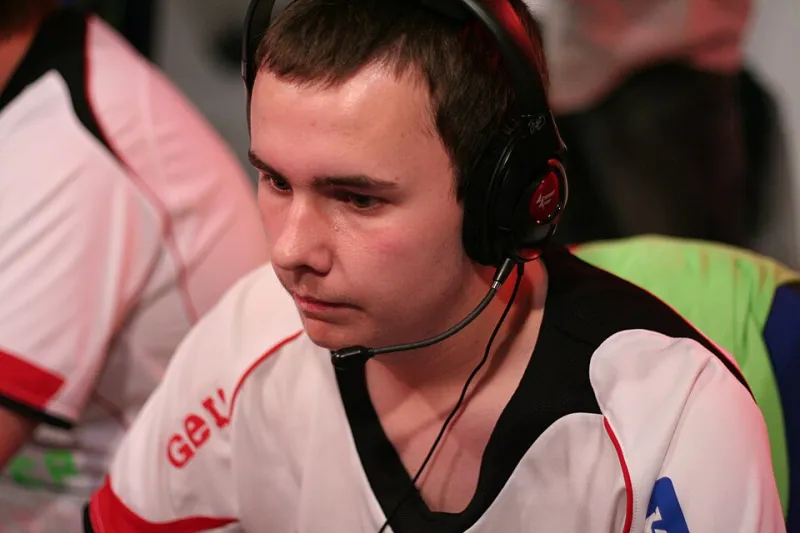
Photo: Paul Chaloner, CC BY 2.0, via Wikimedia Commons
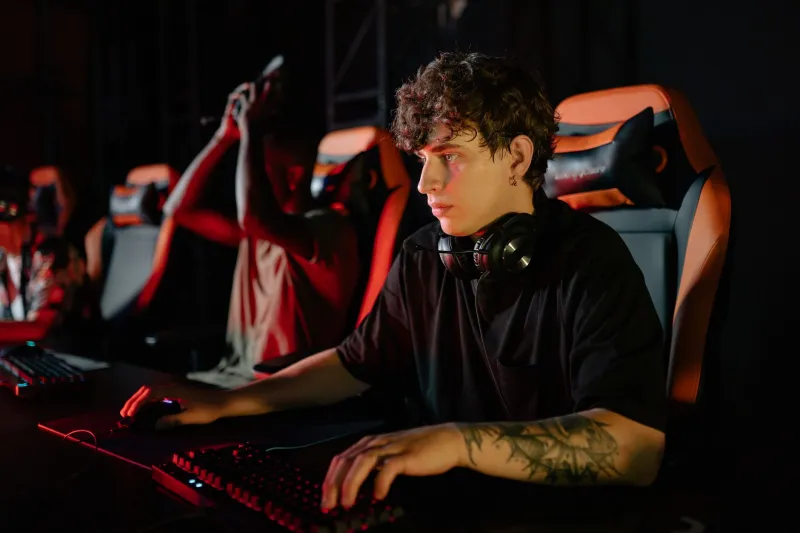
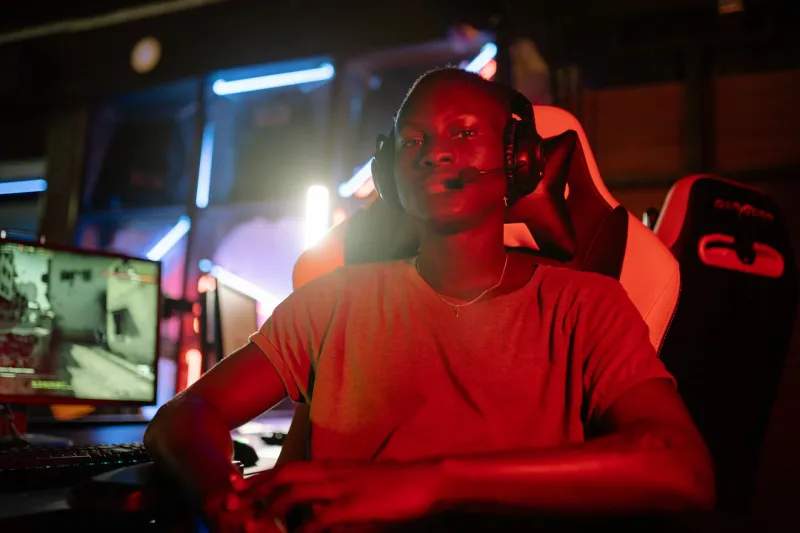
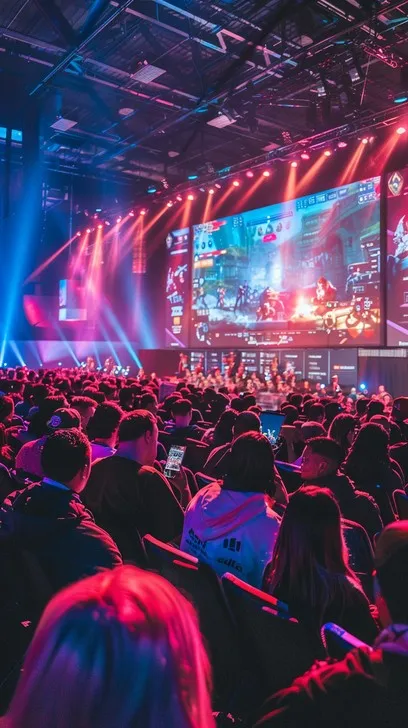
Not that long ago, the image of a professional gamer was pretty easy to picture: some dude in a team hoodie, headphones around his neck, maybe a Red Bull in hand. The aesthetic was functional at best, forgettable at worst. But walk into any major esports arena today — the Esports World Cup, VCT Americas, or even a regional LCS qualifier — and you'll notice something has shifted hard. Players are showing up with intention. The fit is considered. The color palette is coordinated. The personal brand is very much in the building.
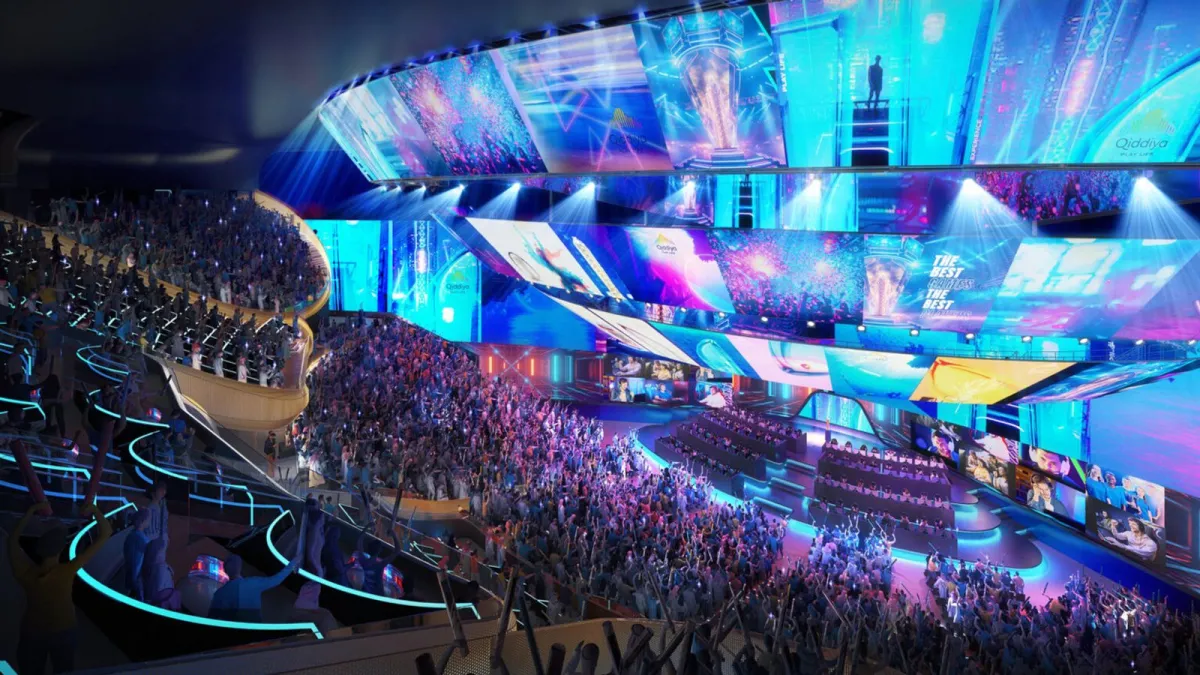 Photo: Esports World Cup, via www.thesportingtribune.com
This isn't a coincidence. It's a strategy.
The Rise of the Esports Personal Brand
In traditional sports, image management has always been part of the job. LeBron James doesn't just play basketball — he curates a persona that extends from the court to the runway. Esports is catching up fast, and the players who understand this earliest are the ones pulling ahead not just in rankings, but in real-world earning potential.
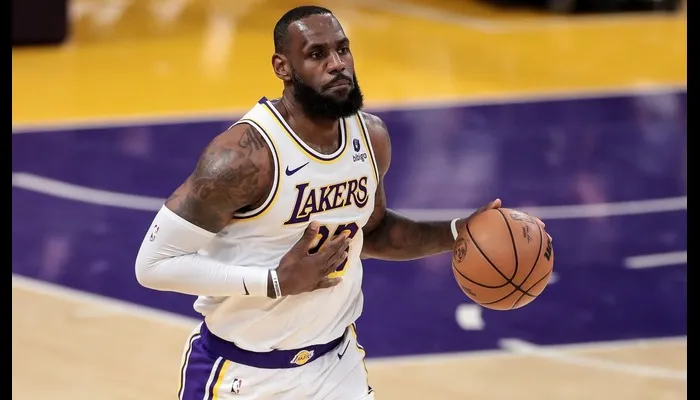 Photo: LeBron James, via cdn.businessday.ng
Take players like Sentinels' TenZ or 100 Thieves' roster, who operate in organizations that have explicitly blurred the line between gaming team and lifestyle brand. These aren't accidents of marketing — they're the result of players and organizations deliberately investing in visual identity as a business asset. When a player's look is recognizable enough that fans recreate it for cosplay or fan art, that's not just cool. That's brand equity.
Rising Valorant pro Mia "Cipher" Delacroix (a composite representative of a growing wave of image-conscious players entering the scene) puts it plainly: "Your gameplay gets you in the door. Your brand keeps you there. I started thinking about what I wore to LANs the same way I think about my crosshair placement — it's about consistency and making an impression that lasts."
The Signature Look as Competitive Ritual
For many pros, the pre-match fit isn't just about aesthetics — it's psychological armor. The idea of "enclothed cognition," a concept explored by researchers at Northwestern University, suggests that what we wear can genuinely influence how we think and perform. For competitive gamers, this translates into pre-match rituals that are as deliberate as any warm-up routine.
Some players swear by specific color schemes. Others have a lucky jacket or a pair of sneakers they only break out for championship brackets. These choices might look like fashion to an outsider, but inside the team house, they're treated with the same seriousness as practice schedules.
Cloud9's organizational approach has long emphasized player presentation alongside performance coaching. The message is clear: how you carry yourself off the server shapes how your audience receives you on it. When fans tune into a stream or a broadcast, they're not just watching gameplay — they're watching a person. And people connect with people who have a distinct, coherent identity.
Jersey Customization and the New Esports Uniform
Team jerseys have always been part of the competitive gaming uniform, but customization is where things are getting genuinely interesting. Players are increasingly negotiating personal touches — name plates, custom colorways, subtle patches — that distinguish their kit from their teammates'. It's the esports equivalent of a basketball player's signature sneaker, and it matters more than you'd think.
Merchandise sales tied to specific players (rather than just teams) have surged across major orgs. When a fan buys a jersey with a specific player's tag on it, that's a relationship — not just a transaction. Orgs that recognize this are giving players more creative input into their visual presentation, understanding that a player with a strong personal aesthetic drives more individual merch revenue and, crucially, more sponsorship interest.
Which brings us to the money.
Sponsorships, Deals, and Why Your Aesthetic Is a Revenue Stream
Sponsors in esports have evolved dramatically. The early days were dominated by peripheral brands and energy drink companies throwing logos at anything that moved. Now, fashion labels, streetwear brands, and lifestyle companies are entering the space — and they're specifically looking for players whose personal style aligns with their brand identity.
Guess, Louis Vuitton's partnership with League of Legends, and Champion's various esports collabs aren't just PR stunts. They represent a recognition that competitive gaming has a fashion-forward audience that responds to aesthetic authenticity. When a player already has a consistent, developed personal style, they become a far more attractive partner for these brands than someone who hasn't thought about it at all.
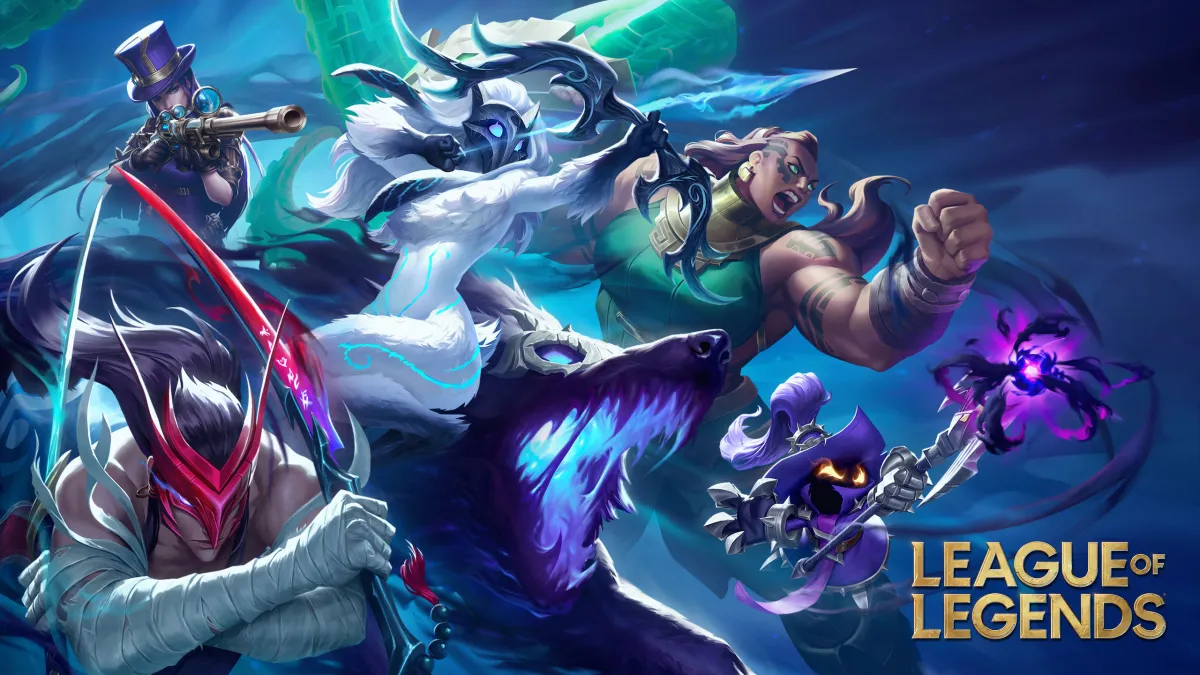 Photo: League of Legends, via cdn1.epicgames.com
Esports talent managers are increasingly noting that a player's social media aesthetic — the way their Instagram grid looks, what they wear in non-gaming content, how they present themselves at offline events — is now a direct factor in sponsorship negotiations. It's not the only factor, but it's one that's growing in weight every year.
The Emerging Role of the Esports Stylist
Here's where things get really interesting: the esports stylist is becoming a real job. A small but growing number of organizations and individual players are bringing in fashion consultants — some with backgrounds in traditional sports, others crossing over from influencer marketing — to help develop and maintain a consistent visual identity.
This isn't just about picking outfits for LAN events. It's about building a cohesive visual language across every touchpoint: stream overlays, social content, IRL appearances, and merchandise design. The goal is for a fan to see any piece of content from a player and immediately know who it's from before they even read a name.
For players coming up through amateur circuits and collegiate esports, this is genuinely new territory. The advice from those already operating at this level is consistent: start thinking about your aesthetic early, be intentional about it, and treat it like any other skill you're developing.
The Bottom Line
Esports is no longer just about who has the best aim or the fastest reaction time. At the highest levels, it's a full-spectrum performance — and your visual identity is part of that performance. The players who understand this aren't just winning tournaments. They're building legacies that will outlast any single season.
The bedroom-to-podium pipeline has always existed in competitive gaming. What's new is that the journey now runs through a mirror as much as it does through a monitor. Your style isn't separate from your game. For the pros who are paying attention, it never was.