Beyond the Stream: How Gaming Influencers Are Making Their IRL Moments Count
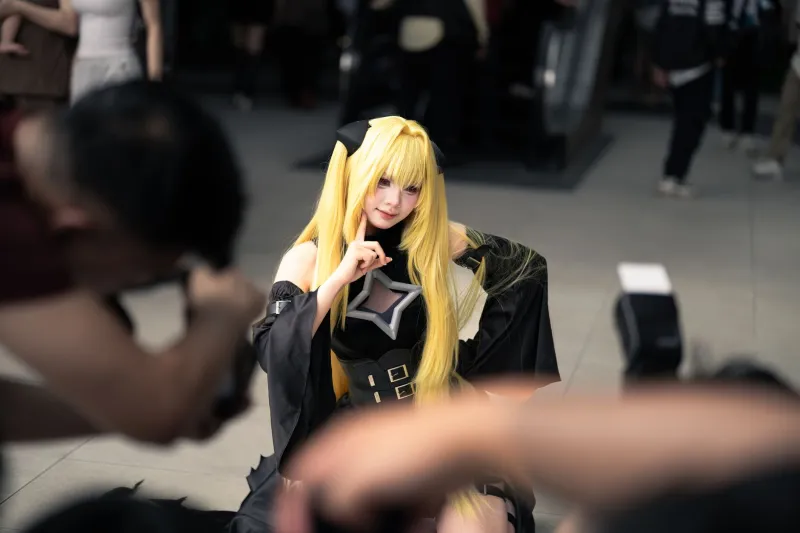
For a long time, the uniform was basically mandatory. Hoodie, headset, maybe a branded tee if you were feeling fancy. Nobody was expecting gaming personalities to show up to TwitchCon looking like they just stepped off a runway. But something shifted — quietly at first, then all at once — and now the fit check has become just as much a part of the content as the gameplay itself.
Streaming built careers on authenticity, on the idea that the person behind the screen was just like everyone else grinding from their bedroom. That image still carries weight. But the culture around gaming has expanded fast enough that "relatable" and "stylish" no longer have to be opposites. The influencers who figured that out early? They're eating.
The IRL Moment as Content Strategy
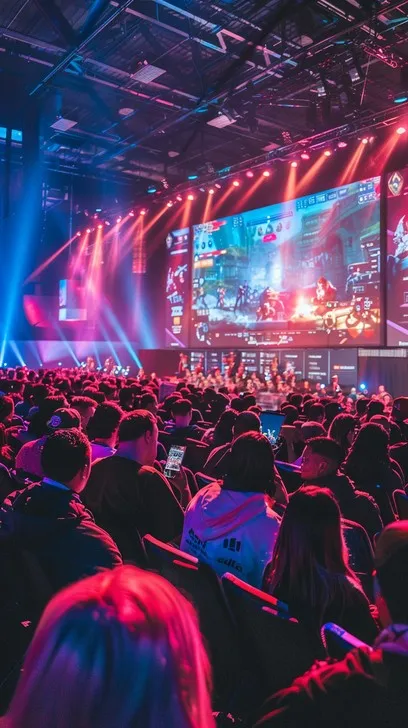
Here's the thing about conventions, esports award shows, and brand activations: they're not just events. They're content drops. Every photo, every appearance, every outfit that hits social media from those moments becomes part of a creator's ongoing narrative.
When a streamer walks into something like the Streamer Awards or PAX East wearing something intentional — not just whatever was clean — that image circulates. It gets screenshot, reposted, commented on. It sparks conversation in ways that a highlight clip sometimes can't, because it reaches people who aren't even watching the stream. It's a visibility play that extends far outside the existing fanbase.
Some creators have been deliberate about this for years. They treat offline appearances like album rollouts, thinking about what story the look is telling and who it's telling it to. Others are catching on now, realizing that their peers are building brand equity in spaces they haven't even touched yet.
The Polished Look vs. the Gaming Room Aesthetic
Not everyone is sprinting toward high fashion, though — and that's a legitimate strategy too. There's a real tension in the gaming creator space between leveling up the look for mainstream audiences and staying true to the aesthetic that built the fanbase in the first place.
The hoodie-and-headset energy isn't accidental. For a lot of creators, it's a statement. It says: I'm still one of you. I haven't been swallowed up by brand deals and industry nonsense. Some of the most loyal audiences in gaming respond to that consistency. When a creator shows up to an event in the same kind of fit they'd wear on stream, it reinforces the parasocial bond that streaming is built on.
But there's a ceiling to that approach, and some creators are bumping into it. When you want to land partnerships outside of gaming — when you're trying to get into lifestyle brand conversations, or when you want editorial coverage that isn't just about your viewer count — the bedroom aesthetic doesn't always translate. The industry is watching how these personalities present themselves in the real world, and appearances matter in ways they didn't five years ago.
Why Sponsorship Events Are the New Proving Ground
Brand activations have quietly become one of the most important stages for gaming influencers to make a style statement. These aren't fan conventions where showing up in a gaming jersey reads as authentic participation. They're professional environments where the creator is essentially a brand ambassador in real time, being photographed, filmed, and evaluated.
The smartest creators treat these events like press junkets. They coordinate with stylists, they think about what they're wearing relative to the brand they're representing, and they consider how those images will look when the brand posts them. That level of intentionality used to feel out of place in gaming culture. Now it's becoming table stakes for anyone trying to operate at the top tier.
There's also a ripple effect. When a gaming personality shows up to a Red Bull event or a Logitech launch looking like they belong in that space — not just as a gamer, but as a cultural figure — it changes the conversation about what gaming influencers are. It signals to other brands that this person is worth investing in beyond a logo placement on a stream overlay.
The Creators Setting the Standard
Look at how certain personalities have navigated this. Creators who started on Twitch or YouTube and have since expanded into fashion collabs, magazine features, or brand ambassador roles didn't get there just by having big numbers. They built a visual identity that could exist outside of a gaming context.
That doesn't mean abandoning where they came from. The best versions of this are creators who bring their gaming identity into their style — custom pieces, color palettes that echo their stream branding, references to their games that feel intentional rather than cringe. It's not cosplay. It's curation.
The creators who struggle with this transition are often the ones who treat offline appearances as an afterthought, showing up in whatever and hoping the audience doesn't notice. The audience always notices. And more importantly, the industry notices.
What This Says About Gaming Culture Right Now
The fact that we're even having this conversation is a signal. Gaming as a cultural force has been mainstream for years in terms of audience size, but the fashion and lifestyle industries have been slower to treat it that way. That's changing, and the creators who are showing up to IRL moments with intention are helping push that change forward.
This isn't about gaming trying to imitate streetwear culture or high fashion. It's about gaming culture developing its own fashion language — one that's rooted in the aesthetics and references that matter to this community, but expressed with enough confidence to exist on any stage.
The streamers who get this aren't abandoning their roots. They're expanding the territory. And in a space where visibility is currency, the fit flex has become one of the most underrated moves in the game.