Does Your Setup Actually Make You Better? We Went Looking for Real Answers
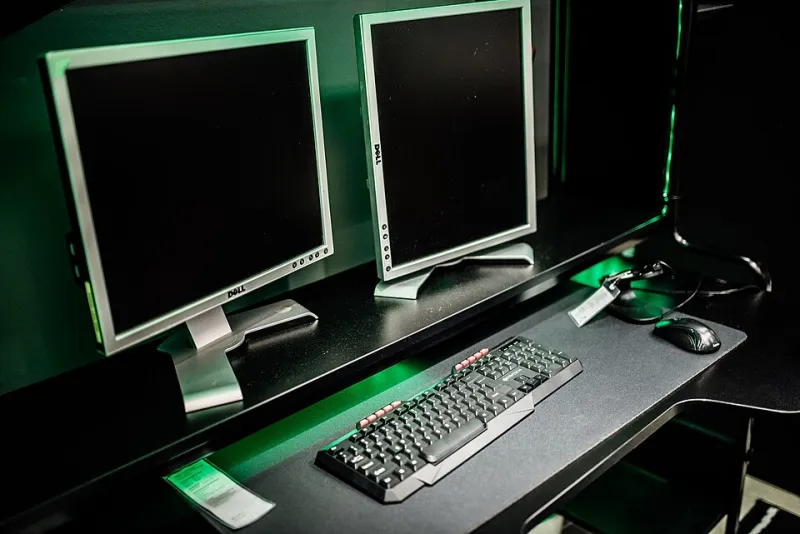
Photo: Shixart1985, CC BY 2.0, via Wikimedia Commons
Let's be honest about something: the gaming lifestyle industry is built, at least in part, on the idea that your environment and your gear are directly connected to how well you play. Better chair, better posture, better focus, better performance. Better lighting, better mood, better decisions. It's a clean story, and it sells a lot of products.
But is it true?
We spent some time digging into the research, poking around the discourse, and actually talking to people who play games competitively for a living. What we found is that the relationship between your setup aesthetics, your personal style, and your actual in-game performance is real — but it's also a lot more complicated than any marketing campaign is going to tell you.
The Science Has Something to Say
Let's start with what researchers actually know about environment and performance, because there's more here than you might expect.
Environmental psychology — the study of how physical spaces affect human behavior and cognition — has produced some genuinely compelling findings. Studies consistently show that workspace design influences mood, focus, and productivity. A cluttered, poorly lit environment tends to produce worse cognitive outcomes than a clean, well-organized one. Temperature, ambient noise levels, and even the color of your surroundings have measurable effects on how well people perform complex tasks.
For gamers, this is relevant. A clean desk setup with good ergonomics isn't just aesthetically pleasing — it reduces physical strain, which means you can maintain focus for longer without fatigue-related degradation in your performance. That part of the story checks out.
Then there's the concept of "enclothed cognition," which sounds like something a brand invented but is actually a legitimate area of psychological research. A 2012 study published in the Journal of Experimental Social Psychology found that people who wore a doctor's coat while performing tasks made fewer errors than those who wore the same coat but were told it belonged to a painter. The clothing was identical. The perceived identity attached to it was not. What you wear, and what you believe it means, can influence how you think.
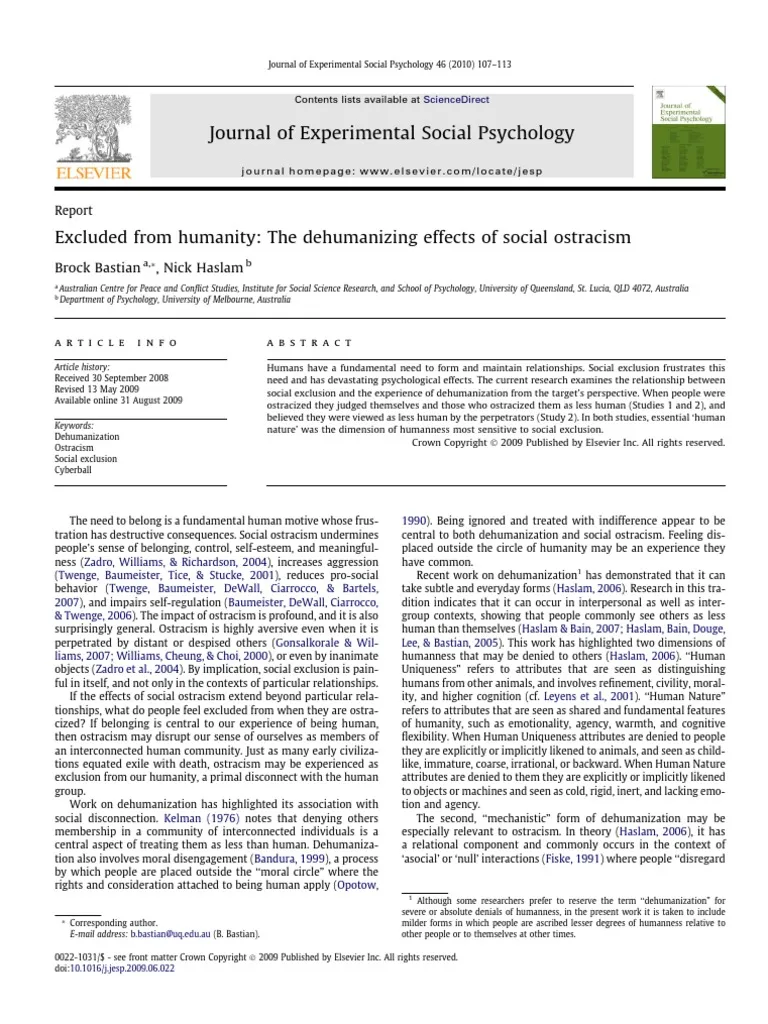 Photo: Journal of Experimental Social Psychology, via imgv2-1-f.scribdassets.com
Applied to gaming: if you've got a specific hoodie you wear for ranked sessions, or a pair of sneakers you only rock during tournament play, and you genuinely associate those items with performing well — that association might actually be doing something.
What Streamers and Pros Actually Think
We talked to a handful of players across different games and skill levels about whether their gear choices and personal style feel like they impact their play. The answers were refreshingly candid.
"Honestly? My chair doesn't make me hit shots," said one ranked Apex Legends player who streams regularly on Twitch. "But sitting in a chair that hurts my back after two hours definitely makes me miss shots. So there's something there, it's just not what the ads are selling."
 Photo: Apex Legends, via 4kwallpapers.com
A semi-pro Rocket League player offered a different angle: "I have a whole pre-session routine. I change into specific clothes, I adjust my lighting, I do the same warm-up every time. Does the outfit make me better? I don't know. But the routine gets me into the right headspace, and the outfit is part of the routine. So indirectly? Yeah, maybe."
 Photo: Rocket League, via cdn1.epicgames.com
This is a distinction worth sitting with. There's a difference between gear and aesthetics as direct performance enhancers versus gear and aesthetics as part of a ritual that primes your mental state. The latter is real and documented. The former is where things get murky.
The Marketing Hype Is Real, and It's Loud
Here's where we have to be straight with you: the gaming lifestyle industry has a significant financial interest in convincing you that your setup is the difference between winning and losing. A $400 gaming chair is a much easier sell if you believe it'll drop your ping (it won't) or sharpen your focus (maybe, marginally, through ergonomics).
The RGB lighting market alone is worth billions of dollars globally, and the honest performance case for colored lights is essentially zero. The aesthetic case is real — people like the way it looks, it makes streaming setups more visually interesting, and a well-lit environment in general is better for your eyes during long sessions. But the idea that a specific LED color scheme is going to improve your K/D ratio is pure marketing fiction.
Same goes for a lot of "gaming" branded products. A good chair is a good chair. Whether it says "Secretlab" or "Herman Miller" or came from a regular office furniture store matters less than whether it actually fits your body and supports your posture correctly. The branding is part of the lifestyle identity — and that identity has value — but conflating it with a direct performance advantage is where consumers tend to get misled.
Where Aesthetics Actually Earn Their Keep
So what does genuinely matter? A few things consistently came up across our conversations and the research we reviewed.
Ergonomics are non-negotiable. A setup that causes physical discomfort will degrade your performance over time. This applies to chair height, monitor distance, mouse weight, and keyboard positioning. Getting this right is an investment in longevity and consistency. It's less glamorous than RGB lighting, but it's where the real performance gains live.
Mental state is a legitimate variable. If a specific aesthetic environment or outfit genuinely puts you in a focused, confident headspace, that psychological effect is real. Confidence affects decision-making. Feeling settled in your environment reduces cognitive load. These are real factors — the key is understanding that they're psychological, not magical.
Routine beats randomness. The players who reported feeling like their environment and style impacted their play were almost always describing the value of consistency, not the specific objects involved. The ritual matters. The $300 mousepad is optional.
The Fit Check Verdict
Does your gaming chair make you better? Probably not directly. Does a clean, ergonomic, personalized setup that you feel good in contribute to more consistent, focused gameplay? There's a reasonable case for yes.
Does what you wear to a LAN event affect your performance? Almost certainly not through any physical mechanism. Can it affect your confidence, your mental state, and how seriously you take the moment? Absolutely — and those things do affect performance.
The honest answer is that the gaming lifestyle industry sells a mix of genuinely useful products and a whole lot of vibes. Learning to tell the difference — to invest in what actually supports your game versus what just looks good on a desk tour — is itself a kind of competitive skill.
But also, the vibes aren't nothing. Looking good feels good. Feeling good plays good. Just don't let anyone charge you $600 for that insight.