Leveling Up the Look: The Long Journey From Invisible to Iconic in Gaming Fashion
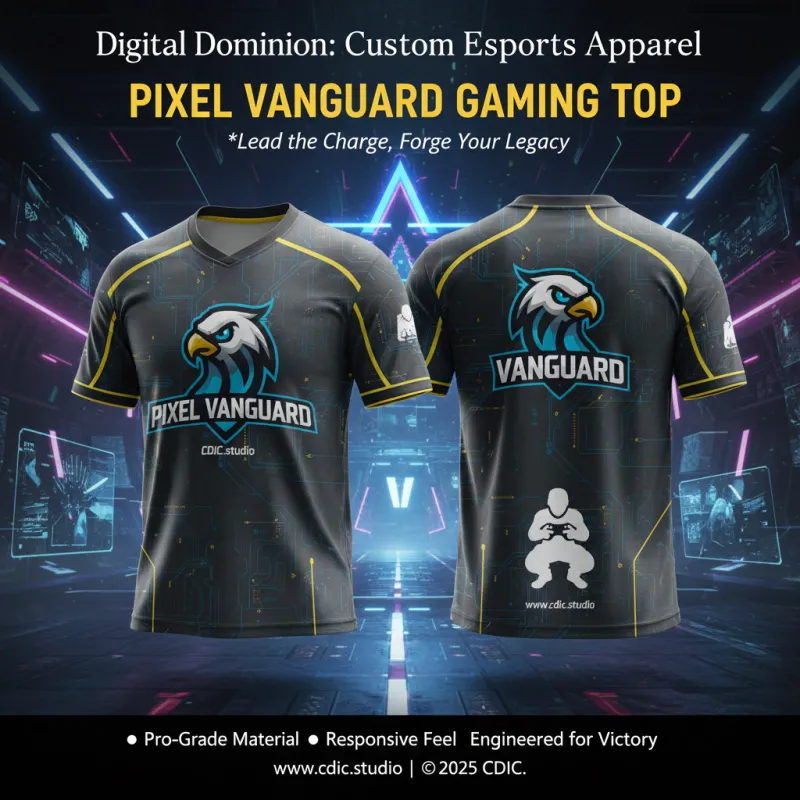
Photo: esports player fashion streetwear gaming lifestyle branding professional gamer style, via cdic.studio
Not long ago, asking a competitive gamer about their personal style would have gotten you a blank stare. Maybe a shrug. Possibly a defensive remark about how gaming was never about how you looked. And honestly? That was kind of the point.
For most of gaming's early history, appearance was beside the point — or actively irrelevant. You sat behind a screen. Nobody saw you. The whole appeal, for a lot of people, was exactly that anonymity. What you wore to grind ranked matches at 2 a.m. was nobody's business but yours.
Then everything changed. And it changed faster than almost anyone expected.
The Invisible Years
Cast your mind back to the early 2000s. LAN cafes, basement setups, the first tentative esports tournaments being held in convention halls with folding tables and borrowed monitors. The players who competed in those early events weren't thinking about optics. They were thinking about ping, about practice schedules, about winning.
"We wore whatever," says Derek, a veteran StarCraft and Counter-Strike player who competed in the early days of organized esports on the East Coast. "I think I played my first real tournament in a hoodie I'd had since high school. Nobody cared. Nobody was watching in a way that made it matter."
That era produced a specific aesthetic by default — not by design. Oversized band tees, cargo shorts, whatever was comfortable for marathon sessions. It wasn't a look so much as an absence of one. Gaming culture's relationship with fashion was basically nonexistent, and that suited most of the community just fine.
The irony is that this functional anonymity ended up becoming iconic in its own right — the "gamer look" that would later be both celebrated and dismantled.
The First Turning Point: Esports Goes Legit
The shift started slowly, then all at once. As esports organizations began professionalizng in the late 2000s and into the 2010s — signing players to contracts, establishing team houses, building out coaching staffs — the visual presentation of competitive gaming started getting attention it had never received before.
Team jerseys were the first real signal. Borrowed from traditional sports, they brought with them an implicit message: this is a professional endeavor, and we're going to dress like it. Early jerseys were often garish — clashing colors, sponsor logos stacked five deep, synthetic fabrics that looked like they were designed by committee. But they represented something important: a deliberate aesthetic choice, made in service of legitimacy.
"The jersey era was kind of awkward in retrospect," laughs Carla, a fashion designer who has worked with several esports organizations on uniform and merch lines. "But it mattered because it was the first time anyone was asking, 'What should esports players look like?' That question hadn't been asked before."
As prize pools grew and events moved into larger venues — eventually filling arenas like Madison Square Garden for events like the League of Legends World Championship — the visual stakes climbed with them. Suddenly, millions of people were watching these players. And how they looked mattered.
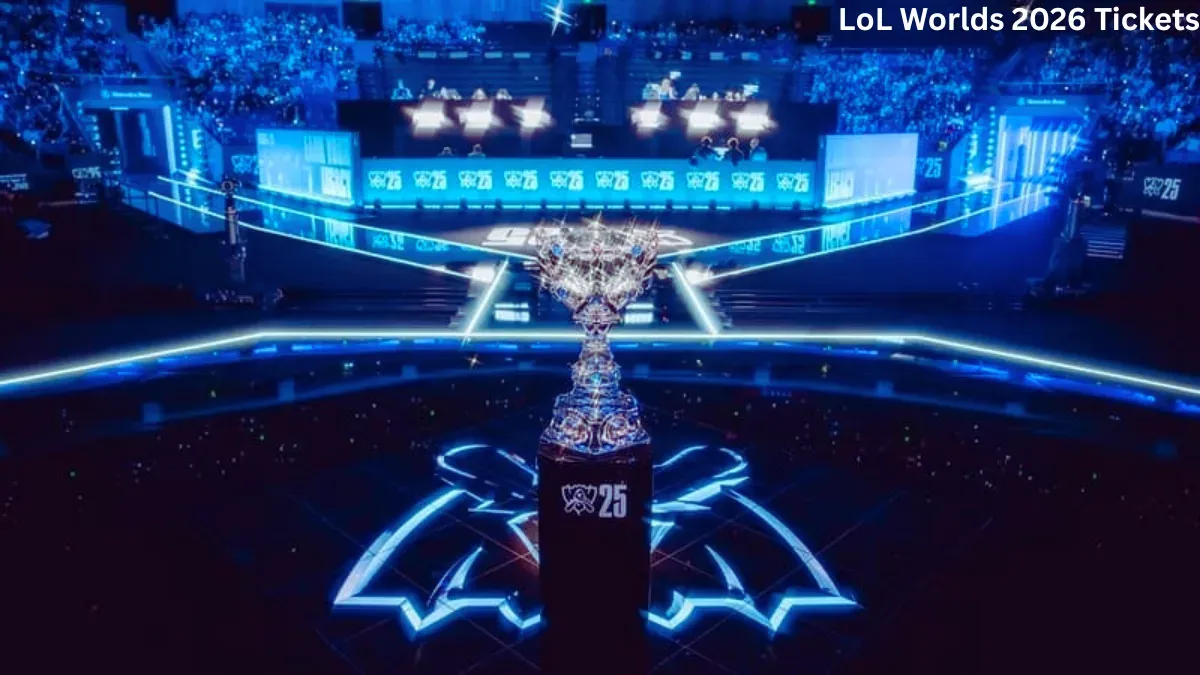 Photo: League of Legends World Championship, via dubaiuae.in
 Photo: Madison Square Garden, via a57.foxnews.com
Streaming Changed Everything
If esports legitimacy planted the seed, the streaming boom watered it aggressively. Twitch went from niche to cultural institution over roughly a five-year stretch in the mid-2010s, and with it came a new kind of gaming celebrity: the streamer, who wasn't just a player but a personality, a brand, a constant presence in their audience's daily life.
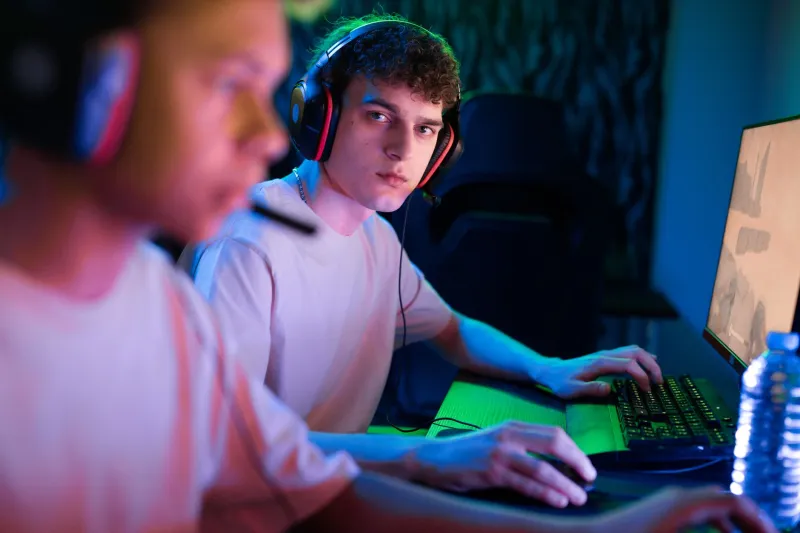
For streamers, appearance wasn't incidental — it was part of the product. Your face was on camera for hours at a time. Your background, your lighting, your outfit — all of it communicated something to your audience, whether you were thinking about it or not.
The early streamers who figured this out early built aesthetic identities that became inseparable from their brands. Clean setups, intentional color stories, outfits that said something specific about who they were and who their audience should be. The ones who didn't think about it often found themselves looking dated as the medium matured.
"I started streaming in a random T-shirt every day and it took me way too long to realize that my look was part of my content," says Tyler, a mid-tier Twitch streamer based in Austin with around 80,000 followers. "Once I started being intentional about it — matching my setup aesthetic, wearing stuff that felt like me on camera — my channel actually started growing. I think people could feel the difference."
When Luxury Came Knocking
The moment that signaled gaming fashion had truly arrived wasn't a tournament win or a streaming milestone. It was a collab announcement.
Luxury brands and high-end streetwear labels don't move into spaces they don't see money in. When names like Louis Vuitton, Gucci, and Ralph Lauren started partnering with esports organizations and gaming IP — designing tournament trophies, dropping limited-edition collections, putting their logos next to game characters — the message was unmistakable. Gaming was no longer a subculture to be observed from a distance. It was a market to be courted.
For veteran gamers, the moment was surreal. "I remember seeing the Louis Vuitton League of Legends stuff and just laughing," Derek says. "Not because it was bad — it was actually cool — but because I thought about where we started. Hoodies and folding tables. And now this."
Those collabs did more than generate headlines. They reframed the entire conversation about gaming and style, signaling to younger players that there was no contradiction between taking gaming seriously and caring about how you looked. The two things could coexist. In fact, they probably should.
The New Generation's Approach
Rising streamers and competitive players entering the scene today are navigating a landscape their predecessors couldn't have imagined. Personal branding isn't an afterthought — it's a starting point. Many are building their aesthetic identity in parallel with their gaming skills, treating the two as equally important investments.
"I think about my look as part of my stream DNA," says Mia, a 19-year-old variety streamer from Seattle who has been building her platform for two years. "My color palette, my outfits, my setup — it all connects. I want someone to see a thumbnail and immediately know it's me. That's branding, but it's also just self-expression."
For designers like Carla, who now consults with multiple esports orgs on visual identity, this generation's fluency with fashion as communication is a sign of the culture's maturity. "They grew up watching streamers who understood the visual side of content creation. It's native to them. They don't see style as separate from gaming — it's all one thing."
The Look Ahead
Gaming fashion's journey from invisible to iconic wasn't linear, and it wasn't inevitable. It happened because the culture grew, the stakes got higher, and the audience got bigger — and because players, creators, and communities started caring about the full picture of what gaming looked like to the world.
The basement wasn't the destination. It was just the starting point. And the fit has come a long way since then.