Why the Best Streamers Are Quietly Killing the Gamer Aesthetic
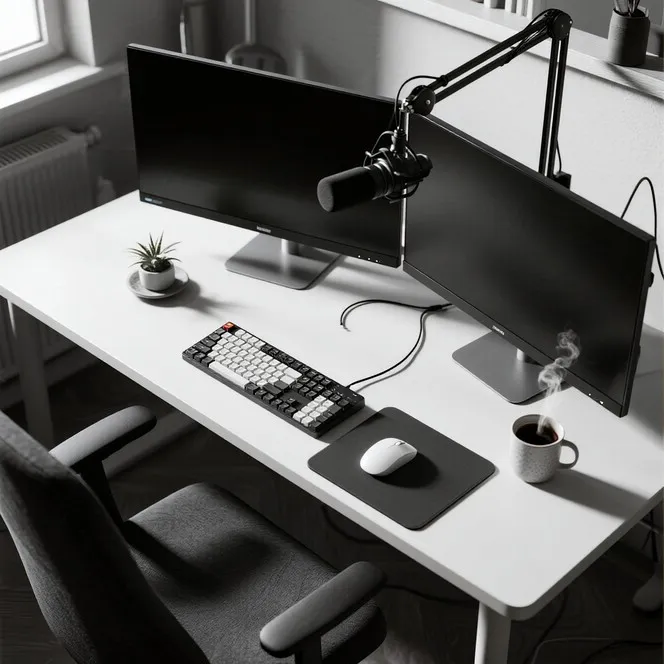
Photo: minimalist streamer setup clean desk neutral tones content creator, via images.stockcake.com
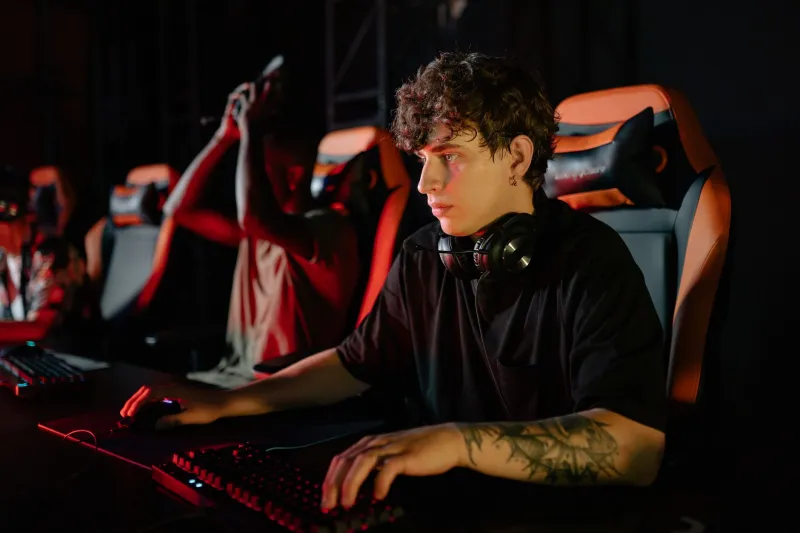
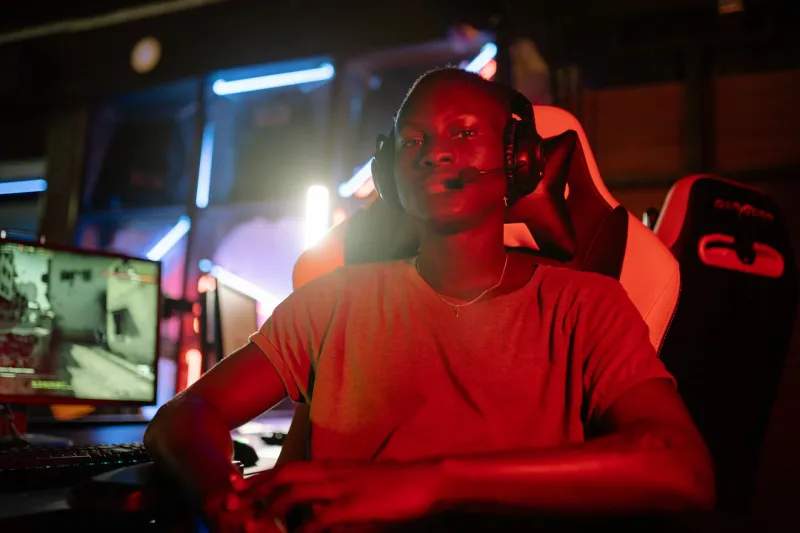
There's a version of a streamer you've seen a thousand times. Oversized hoodie, preferably from a brand that makes a caffeinated beverage. A chair that glows. Maybe a wall of LED strips cycling through every color in the visible spectrum. It's a look that became so synonymous with gaming content that it practically became a uniform—one that signaled to viewers, hey, I'm one of you.
But scroll through the biggest streaming feeds right now and something feels different. The hoodies are getting replaced by fitted crewnecks and linen shirts. The RGB is dimming. And a growing number of creators are showing up on camera looking less like they raided a gaming peripheral store and more like they just stepped off a streetwear lookbook shoot.
This isn't an accident. It's a strategy.
The Uniform Nobody Agreed To Wear
For a long time, looking like a "gamer" served a real purpose. It was tribal signaling. Viewers wanted to feel like the person on screen was part of their world, not performing it from a distance. Brands leaned in hard—slapping logos on everything from mouse pads to hoodies to the literal backdrop behind streamers' heads.
But somewhere around 2022, the calculus started shifting. Audiences got bigger and more diverse. Streaming stopped being a niche hobby and became mainstream entertainment, drawing in viewers who had never touched a controller and probably never would. The old uniform started to feel less like community and more like costume.
"There's a ceiling on what you can build if your entire identity is tied to looking like you play games," says Marcus Webb, a brand consultant who's worked with mid-tier and rising streamers across Twitch and YouTube. "The creators who are breaking out right now understand that gaming is what they do, not the whole story of who they are."
Minimalism as a Power Move
Take someone like Callie Rhodes, a 24-year-old variety streamer based out of Austin who's grown her channel to nearly 400,000 followers over the past eighteen months. Her setup is deliberately understated—neutral tones, clean desk, no visible branding on her clothing unless it's something she genuinely wears off-camera.
 Photo: Callie Rhodes, via m.media-amazon.com
"I spent like six months early on trying to look the part," she says. "And then I realized I was just blending in. Everyone looked exactly like me. The moment I stopped trying to signal that I was a gamer and just started being myself on camera, my numbers actually went up."
Rhodes's brand partnerships tell the same story. She's landed deals with a skincare company, a sustainable clothing label, and a productivity app—none of which would have traditionally touched a gaming creator. "They told me straight up that my aesthetic made them comfortable," she says. "They didn't want their product next to neon lights and a gaming chair."
This is the quiet revolution happening in streamer branding right now. Mainstream sponsors—lifestyle brands, fashion labels, wellness companies—have real money to spend, and they're increasingly willing to spend it on gaming creators. The catch is that those creators need to look like someone their target customer would trust.
Fashion Consultants Are Finding Their Gaming Clients
It's not just streamers figuring this out on their own. A small but growing segment of personal stylists and brand consultants are now actively working with content creators to build what one stylist, New York-based Priya Nair, calls "platform-appropriate visual identity."
 Photo: Priya Nair, via thedailyguardian.com
"Gaming creators are some of my most interesting clients right now because the space is so wide open," Nair explains. "There are no real rules, which means there's real opportunity. A streamer who shows up with a coherent, intentional look—whether that's athleisure, clean streetwear, or even something more elevated—immediately stands out because nobody else is doing it."
Nair's advice to the creators she works with tends to center on a few core principles: neutralize the background before worrying about the outfit, invest in one or two signature pieces that become recognizable, and stop letting brand partnerships dictate what you wear on screen.
"The energy drink logo on the hoodie might pay $500 a month," she says. "But if it's costing you a $50,000 deal with a lifestyle brand who doesn't want to be associated with that look, the math doesn't work."
Athleisure and the Middle Ground
Not every creator is going full minimalist. There's a whole contingent of streamers finding a middle path through athleisure—think clean Nike or Lululemon fits, fitted joggers, performance fabrics. It threads the needle between "I take care of myself" and "I'm still approachable and comfortable."
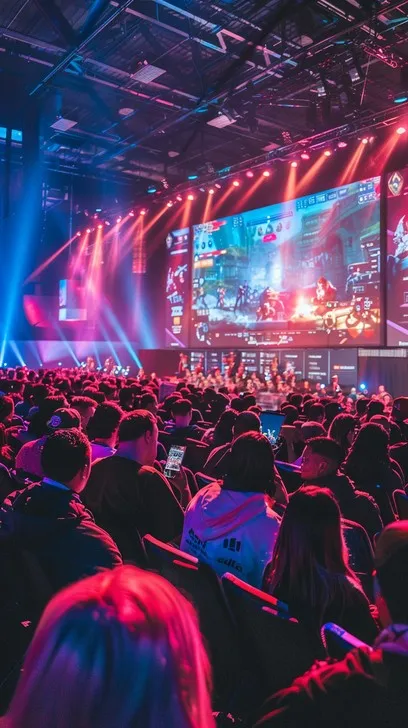
This makes a lot of sense when you consider how the broader cultural conversation around gaming has shifted. Esports athletes are increasingly talked about in the same breath as traditional sports figures. The long-running joke about gamers not leaving the basement has been replaced by content around fitness routines, nutrition, and mental performance. Looking like someone who's physically put-together fits that new narrative.
"Gaming is athletic now, culturally speaking," Webb says. "The look is catching up to that."
What This Means for the Scene
None of this means the classic gamer aesthetic is dead. There are creators who wear it authentically and build massive, loyal communities around exactly that identity. The hoodie isn't going anywhere.
But what's changing is the idea that there's only one way to look like a serious content creator in gaming. The streamers who are building the most durable brands right now are the ones treating their visual identity with the same intentionality they bring to their content strategy—asking not just what do I want to play but what do I want people to feel when they look at me?
The style is the message. And the smartest creators in the game right now know exactly what message they're sending.